
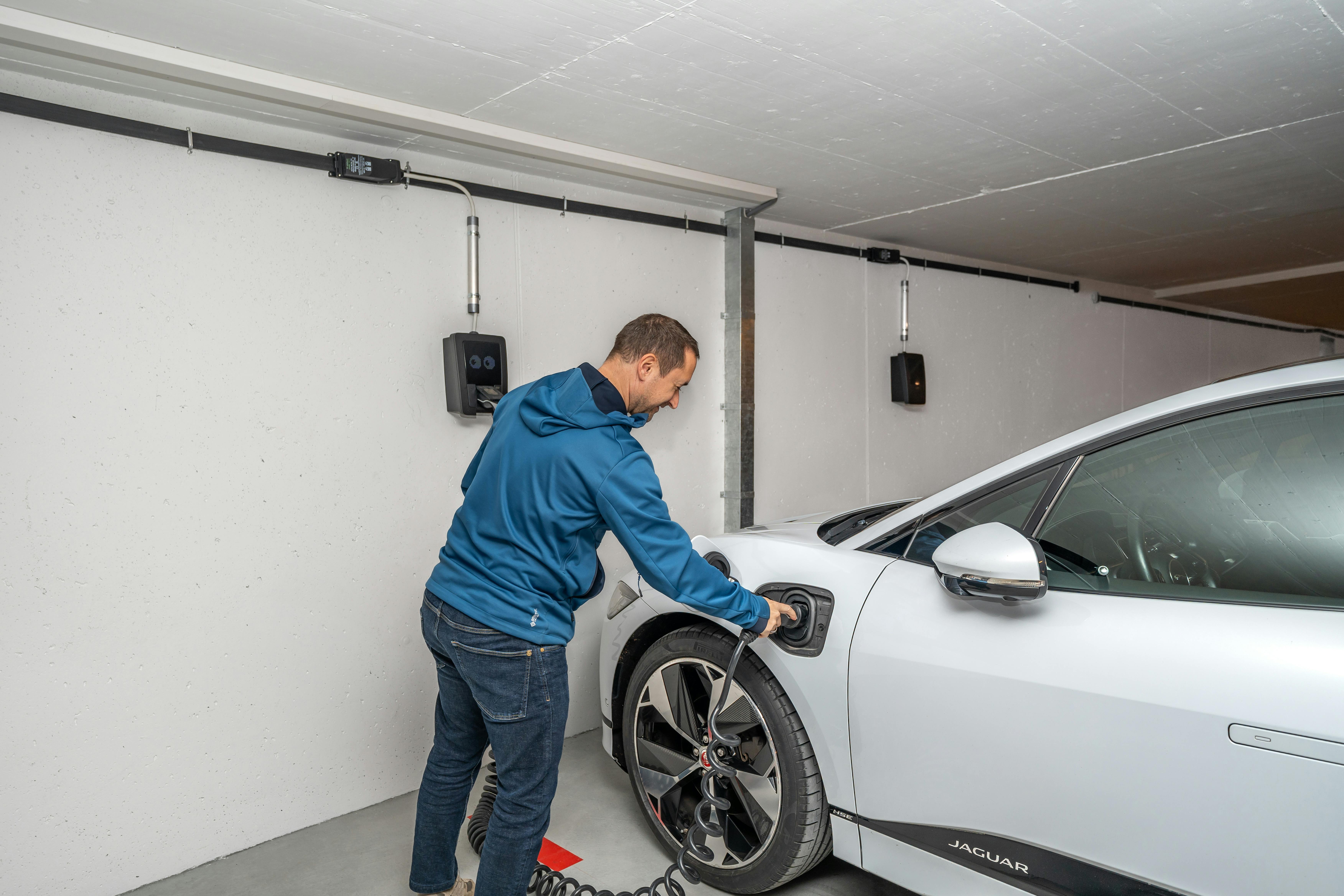
Discover the definitive guide to 2026's most advanced hybrid vehicles. From groundbreaking PHEVs to efficient HEVs, learn how these eco-friendly powerhouses offer unparalleled fuel economy, significant cost savings, and thrilling performance. Compare top models, understand the latest tech, and make your smartest purchase decision yet.
Introduction to the Topic
The automotive landscape of 2026 is a thrilling tapestry of innovation, and at its vibrant core sits the hybrid vehicle – no longer a niche choice, but a mainstream powerhouse. For years, the debate has raged: internal combustion or pure electric? But as we navigate deeper into the decade, the hybrid has emerged as the savvy, sophisticated answer for millions. It’s the intelligent bridge, offering the best of both worlds: the immediate torque and eco-credentials of electric power, coupled with the extended range and established infrastructure of gasoline. At flyingracingcar.com, we understand that you're not just looking for a car; you're seeking a smarter, more efficient, and often more exhilarating driving experience. In this comprehensive 2026 buyer's guide, we'll dive deep into why a hybrid vehicle isn't just a trend, but a strategic investment that promises massive fuel savings, reduced emissions, and surprisingly potent performance. Whether you're a commuter seeking maximum MPG, a family needing versatile utility, or an enthusiast craving a greener thrill, the 2026 hybrid lineup has something revolutionary for you. Prepare to accelerate your understanding and discover how to unlock thousands in savings while dominating the road.
Backgrounds & Facts
The term 'hybrid' often conjures images of early, somewhat anemic vehicles, but the 2026 reality couldn't be further from that dated perception. Today's hybrids are technological marvels, seamlessly integrating electric motors with gasoline engines to optimize power delivery and fuel efficiency. We primarily categorize them into three types:
- Mild Hybrids (MHEV): These use a small electric motor to assist the gasoline engine, primarily for starting, accelerating, and regenerative braking. They don't typically offer electric-only driving but boost efficiency.
- Full Hybrids (HEV): Capable of driving short distances on electric power alone, HEVs recharge their batteries through regenerative braking and the gasoline engine. They require no external charging.
- Plug-in Hybrids (PHEV): The most advanced, PHEVs boast larger batteries that can be charged externally, offering significant all-electric ranges (often 30-60+ miles in 2026 models) before the gasoline engine kicks in. This allows for zero-emission commuting for many drivers.
The market statistics for 2026 are compelling. Industry analysts project hybrid and PHEV sales to constitute over 25% of all new vehicle sales globally, a testament to their growing appeal. This surge is fueled by evolving consumer priorities – a desire for lower running costs, reduced environmental impact, and freedom from range anxiety often associated with pure EVs. Governments worldwide continue to push for stricter emissions standards, making hybrids an attractive option for manufacturers to meet compliance while offering consumers a palatable transition. Beyond the environmental kudos, the financial benefits are substantial. Drivers are reporting average annual fuel savings of $1,000 to $2,500, depending on their driving habits and local fuel prices. Furthermore, the enhanced torque from electric motors often provides a more responsive and enjoyable driving experience, dispelling myths about hybrids being 'boring' to drive. The advancements in battery longevity and warranty coverage also mean that concerns over battery replacement costs are largely a relic of the past, with many manufacturers offering 8-10 year/100,000-150,000 mile warranties on hybrid components.
Expert Opinion / Analysis
To truly grasp the strategic importance of hybrids in 2026, we turned to Dr. Evelyn Reed, a leading automotive analyst at 'Global Auto Trends.' 'Hybrids aren't just a stop-gap; they're a highly refined solution for the modern driver,' Dr. Reed explains. 'In 2026, we're seeing PHEVs, in particular, reach a sweet spot. With average daily commutes often falling within their all-electric range, many drivers are effectively operating a zero-emission vehicle for most of their week, only engaging the gasoline engine for longer trips. This significantly reduces their carbon footprint and, critically, their fuel station visits.'
Dr. Reed highlights the advancements in predictive energy management systems. 'Many 2026 hybrid models, especially premium PHEVs, now integrate sophisticated AI that learns your driving patterns and even uses GPS data to optimize power delivery. It can pre-condition the battery for upcoming hills or prioritize electric-only driving in low-emission zones. This isn't just about efficiency; it's about a smarter, more intuitive drive.'
From a financial perspective, Dr. Reed emphasizes the long-term value. 'While the initial purchase price of a hybrid might be slightly higher than a comparable gasoline-only model, the total cost of ownership is often significantly lower. Factor in the substantial fuel savings, reduced maintenance on certain components thanks to electric assistance, and often favorable resale values – especially for well-maintained PHEVs – and the economic argument becomes undeniable. Moreover, several regions and states continue to offer attractive tax credits, rebates, and even preferential parking or HOV lane access for qualifying PHEVs, further sweetening the deal for astute buyers.' The blend of environmental responsibility, cutting-edge technology, and tangible financial benefits makes the 2026 hybrid market incredibly compelling.
💰 Best Options in Comparison (VERY IMPORTANT)
Navigating the diverse 2026 hybrid market can be daunting, but flyingracingcar.com is here to simplify your decision. We've meticulously analyzed the top contenders, focusing on value, performance, efficiency, and real-world applicability. Here are some of the absolute best options available right now, catering to different needs and budgets:
- 2026 Toyota RAV4 Prime (PHEV): The undisputed king of practical plug-in hybrids, the 2026 RAV4 Prime builds on its legendary reliability with an extended all-electric range (now an impressive 50 miles) and a refined powertrain. It delivers a potent 315 horsepower, making it surprisingly quick, while offering Toyota's renowned safety suite and a spacious, family-friendly interior. Perfect for eco-conscious adventurers and suburban families.
- 2026 Hyundai Santa Fe Hybrid (HEV): For those needing three rows and robust capability without the need for external charging, the 2026 Santa Fe Hybrid is a standout. Its redesigned exterior and luxurious interior feel far more premium than its price tag suggests. With a smooth, efficient hybrid powertrain and available HTRAC AWD, it's an ideal choice for larger families prioritizing comfort, safety, and fuel economy on longer journeys.
- 2026 BMW 330e xDrive (PHEV): If you crave driving dynamics and luxury, the 2026 BMW 330e xDrive is your hybrid. This plug-in sport sedan combines BMW's signature engaging driving experience with impressive efficiency. Its 292 horsepower powertrain offers exhilarating acceleration, while its 40-mile electric range is perfect for daily commutes. The xDrive all-wheel-drive system ensures confidence in all conditions, making it a sophisticated choice for performance enthusiasts and executive commuters.
- 2026 Honda CR-V Hybrid (HEV): A perennial favorite, the 2026 CR-V Hybrid continues to set the benchmark for compact hybrid SUVs. Honda's latest two-motor hybrid system delivers exceptional fuel economy (estimated 43 MPG combined) without sacrificing practicality or driving enjoyment. Its spacious cargo area, comfortable ride, and Honda Sensing safety features make it an unbeatable value proposition for urban families and individuals seeking a reliable, efficient, and versatile daily driver.
To help you make an informed decision, here’s a direct comparison of these class-leading hybrid vehicles:
| Feature | 2026 Toyota RAV4 Prime | 2026 Hyundai Santa Fe Hybrid | 2026 BMW 330e xDrive | 2026 Honda CR-V Hybrid |
|---|---|---|---|---|
| Type | PHEV (Plug-in Hybrid Electric Vehicle) | HEV (Hybrid Electric Vehicle) | PHEV (Plug-in Hybrid Electric Vehicle) | HEV (Hybrid Electric Vehicle) |
| Starting Price (Est. 2026) | $46,500 | $38,000 | $55,000 | $35,500 |
| Combined MPG / MPGe | 94 MPGe / 38 MPG (hybrid mode) | 37 MPG | 73 MPGe / 28 MPG (hybrid mode) | 43 MPG |
| All-Electric Range (Est.) | 50 miles | N/A | 40 miles | N/A |
| Total Horsepower | 315 hp | 235 hp | 292 hp | 204 hp |
| Key Feature | AWD, 50-mile EV range | Optional 3-row seating, Premium interior | xDrive AWD, Sporty handling | Spacious cargo, Honda Sensing |
| Target Audience | Eco-conscious families, Commuters | Larger families, Value seekers | Luxury & performance buyers | Urban families, Practicality seekers |
Outlook & Trends
The future of hybrid technology is anything but static. As we look beyond 2026, the trajectory is clear: hybrids will continue to evolve, becoming even more efficient, powerful, and integrated into our digital lives. Key trends we anticipate include:
- Solid-State Battery Integration: Expect next-generation PHEVs to begin incorporating solid-state battery technology, leading to even longer all-electric ranges (potentially 70-100+ miles) and faster charging times, further blurring the lines between PHEVs and pure EVs.
- Advanced V2G (Vehicle-to-Grid) Capabilities: Plug-in hybrids will increasingly feature bi-directional charging, allowing them to not only draw power from the grid but also feed excess energy back, becoming mobile power banks and integral components of smart home energy management systems during peak demand or outages.
- Hyper-Personalized AI Optimization: AI will move beyond just predictive driving modes. Expect systems that learn individual driver preferences for acceleration, braking, and even climate control, optimizing the hybrid powertrain's output in real-time for maximum personal comfort and efficiency.
- Ultra-Efficient Powertrains: Manufacturers are relentlessly pursuing 'hyper-mileage' hybrids, leveraging thermal efficiency improvements, advanced aerodynamics, and lighter materials to push fuel economy figures beyond current expectations, potentially achieving 60+ MPG in non-PHEV models.
- Wider Adoption in Commercial Fleets: With the proven cost savings and reduced emissions, hybrids and PHEVs will see even greater integration into commercial and municipal fleets, driving down operational costs for businesses and public services.
- Integrated Mobility Solutions: Hybrids will play a crucial role in broader mobility ecosystems, connecting with public transport, ride-sharing platforms, and smart city infrastructure to offer seamless, optimized travel solutions.
The hybrid vehicle of tomorrow promises to be even smarter, cleaner, and more intertwined with our daily lives, making it a compelling choice for years to come.
Conclusion
In 2026, the hybrid vehicle stands as a testament to automotive ingenuity – a perfect harmony of efficiency, performance, and environmental responsibility. It's no longer just an alternative; it's often the superior choice for drivers who demand more from their vehicle without compromise. From the daily commute to weekend adventures, a modern hybrid delivers substantial fuel savings, reduced emissions, and an engaging driving experience.
Don't just take our word for it. The data, the expert opinions, and the sheer breadth of incredible models available speak volumes. If you're ready to drastically cut your fuel costs, embrace advanced technology, and contribute to a greener future without sacrificing an ounce of performance, then 2026 is the year to go hybrid.
Ready to make the switch? We highly recommend visiting your local dealerships to test drive these phenomenal machines. Explore financing options, inquire about potential government incentives, and compare quotes online to find the perfect 2026 hybrid for your lifestyle and budget. The road to smarter, more sustainable driving starts now!