
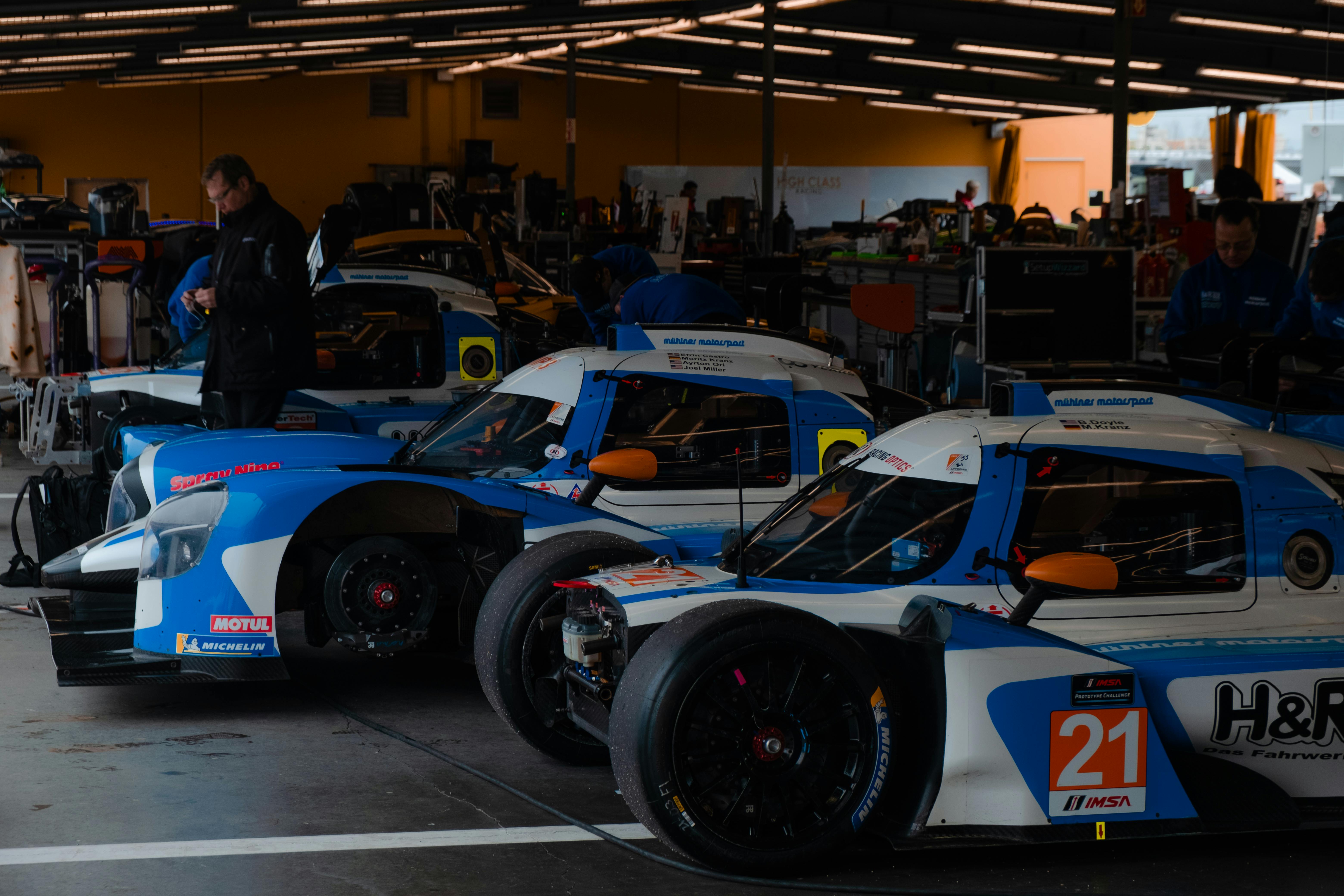
The future of motorsport is here in 2026, driven by sustainable innovation. Explore the epic battle between cutting-edge e-fuels and powerful electric powertrains shaping F1, WEC, Formula E, and your next high-performance driving experience. Discover how these technologies are redefining speed, sound, and sustainability, and find the best options for enthusiasts looking to invest in or experience the next generation of racing. Compare sustainable track days, e-fuel subscriptions, and electric supercar rentals to maximize your thrill and minimize your carbon footprint.
Introduction to the Topic
Welcome to 2026, where the roar of an engine no longer carries the stigma of an environmental cost, and the silent surge of electric power commands respect on the world’s most iconic circuits. For years, the motorsport world grappled with its environmental impact, but today, innovation has triumphed. The battle for the soul of racing has crystallized into two dominant, sustainable pathways: the revolutionary promise of e-fuels and the undeniable torque of advanced electric powertrains. From the pinnacle of Formula 1 to the endurance challenges of WEC and the pure electric spectacle of Formula E, every corner of motorsport is being redefined. But what does this mean for the enthusiast, the collector, or anyone simply yearning for that next adrenaline-fueled track day? This article dives deep into the heart of this sustainable revolution, helping you navigate the choices and find your place in the future of high-performance driving.
Backgrounds & Facts
By 2026, sustainable motorsport is not just a concept; it's a vibrant reality. Formula 1, the global benchmark for automotive innovation, has fully transitioned to 100% sustainable fuels, a landmark achievement that has reshaped engine development and fueled a new era of performance. These e-fuels – synthetic fuels produced using captured CO2 and green hydrogen – offer a 'drop-in' solution, allowing existing internal combustion engines (ICE) to run carbon-neutrally, or even carbon-negatively, depending on the production process. Major players like Porsche, Aramco, and HIF Global have invested billions in industrial-scale e-fuel plants, promising a viable, high-octane alternative for both racing and high-performance road cars.
Simultaneously, electric racing continues its meteoric rise. Formula E, now in its Gen3.5 era, pushes the boundaries of EV performance, efficiency, and battery technology, with cars boasting unprecedented power-to-weight ratios and rapid charging capabilities. Extreme E showcases the rugged durability of electric SUVs in some of the planet's most challenging environments, while the World Endurance Championship (WEC) and IMSA embrace sophisticated hybrid powertrains, blending the best of both worlds – the instantaneous torque of electric motors with the sustained power delivery of highly efficient, sustainable-fueled ICEs. Manufacturers like Ferrari, Lamborghini, McLaren, and Mercedes-AMG are not just racing with these technologies; they are integrating them into their road-going hypercars, creating a direct lineage from track to street. The global push for net-zero emissions has made sustainable motorsport a crucible for technologies that will soon power our everyday vehicles, ensuring that the thrill of driving remains relevant and responsible.
Expert Opinion / Analysis
“The 2026 motorsport landscape is a testament to human ingenuity,” states Dr. Anya Sharma, Head of Sustainable Powertrain Development at Apex Performance Labs. “When F1 committed to 100% sustainable fuels, it sent a clear message: the internal combustion engine isn't dead; it's being reborn. E-fuels offer a lifeline for heritage vehicles and a pathway for new ICE development that aligns with our climate goals. The challenge now is scaling production and reducing costs to make them accessible to the broader performance car market.”
On the electric front, Maria Rodriguez, Chief Engineer for Electrification at Quantum Racing Technologies, offers a different perspective: “While e-fuels are crucial for legacy, electrification is the future of raw, unadulterated performance. The instant torque, the silent ferocity, the sheer efficiency – electric powertrains are fundamentally changing how we design and experience speed. Look at the lap times in Formula E or the acceleration of the latest electric hypercars; they speak for themselves. The focus now is on energy density, charging infrastructure, and thermal management to unlock even greater potential. Both technologies have their place, but electric offers a paradigm shift in driving dynamics that is truly revolutionary.”
Industry analysts agree that this dual-path approach is vital. “Diversification is key,” explains motorsport economist, Kenji Tanaka. “E-fuels attract brands and fans who cherish the sound and feel of traditional engines, while electrification draws in a new generation, captivated by cutting-edge tech and silent power. For the consumer, this means an unprecedented choice in how they engage with high-performance vehicles. Whether you're a purist or a pioneer, there's a sustainable thrill waiting for you.” The market is segmenting, creating unique opportunities for both driving experiences and ownership models.
💰 Best Options in Comparison (VERY IMPORTANT)
As the sustainable motorsport revolution accelerates, so too do the opportunities for enthusiasts to experience its cutting edge. Whether you're looking to book a track day, invest in a new performance vehicle, or simply fuel your passion responsibly, understanding your options is crucial. We've identified the leading sustainable driving experiences and e-fuel adoption programs available in 2026, catering to different preferences and budgets.
Sustainable Driving Experiences:
- Electrified Hypercar Track Days (e.g., Lucid Air Sapphire Track Experience, Rimac Nevera Track Academy): For those seeking the ultimate in silent, brutal acceleration and cutting-edge technology. These programs offer meticulously prepared electric hypercars on world-class circuits, often with professional coaching. Expect instant torque, mind-bending G-forces, and a truly futuristic driving sensation. Ideal for tech enthusiasts and performance seekers prioritizing raw speed and innovation.
- E-Fuel Powered Classic & Modern Race Car Experiences (e.g., Porsche Experience Centre Sustainable Fuels Program, Classic Car Club E-Fuel Track Days): Re-live the glory days or push modern ICE machinery, now powered by carbon-neutral synthetic fuels. These experiences allow you to enjoy the visceral sound and feel of a traditional engine without the environmental guilt. Perfect for purists, collectors, and those who cherish the sensory experience of a petrol engine.
- Hybrid Performance Vehicle Rentals & Tours (e.g., McLaren Artura Grand Tour, Ferrari 296 GTB Road Trip Packages): Experience the best of both worlds with advanced hybrid supercars. These rentals and curated tours offer a blend of electric silent running for urban environments and explosive combined power for open roads and track stints. A versatile option for those wanting both luxury and performance with a sustainable edge.
E-Fuel Adoption Programs for Performance Vehicle Owners:
- Porsche & HIF Global E-Fuel Subscription Service: Porsche is at the forefront, offering direct-to-consumer e-fuel subscriptions for owners of their performance vehicles. This ensures a steady supply of certified carbon-neutral fuel, often delivered directly or available at specialized fueling stations. Look for expanding networks in major metropolitan areas and near popular track venues.
- Motorsport-Grade Sustainable Fuel Providers (e.g., P1 Fuels, Aramco-backed initiatives): For those with highly tuned or race-spec vehicles, several companies are offering performance-optimized sustainable fuels. These often come with higher octane ratings and specific formulations for demanding applications, ensuring your engine performs at its peak while meeting sustainability goals.
To help you decide, here's a comparison of key aspects:
| Feature/Option | Electrified Hypercar Track Days | E-Fuel ICE Track Days | Hybrid Performance Car Rentals | E-Fuel Subscription for Owners |
|---|---|---|---|---|
| Experience Type | Pure electric, instant torque, silent speed | Traditional engine sound & feel, carbon-neutral | Blend of electric & ICE, luxury touring | Sustainable fueling for owned ICE vehicles |
| Target User | Tech pioneers, speed addicts, futurists | Purists, heritage enthusiasts, sound lovers | Luxury travelers, versatile performance seekers | Performance car owners, collectors |
| Typical Price Range (2026 est.) | $$ (Premium) | $$ (Mid-High) | $$-$$ (Mid-High to Premium) | $ (Ongoing cost, similar to premium fuel) |
| Key Benefit | Unrivaled acceleration, zero tailpipe emissions | Preserves ICE experience, carbon-neutral | Versatility, luxury, reduced emissions | Sustainable ownership, future-proof your ICE |
| Availability | Growing, specialized centers | Expanding, especially with OEM support | Widespread in luxury rental markets | Limited but expanding (OEM specific) |
Outlook & Trends
Looking beyond 2026, the sustainable motorsport landscape is set for even more radical transformation. The development of direct air capture (DAC) technologies for CO2 is accelerating, making e-fuel production even more environmentally friendly and scalable. We can anticipate broader availability and competitive pricing for sustainable fuels, potentially making them a standard option at pumps worldwide, not just for performance vehicles. Simultaneously, battery technology continues its relentless march forward, promising solid-state batteries with significantly higher energy density, faster charging times, and reduced weight, making electric racing cars even more dominant and practical for longer events.
Hydrogen, both in combustion and fuel cell applications, is emerging as a dark horse. While still in its infancy in top-tier motorsport, breakthroughs in storage and efficiency could see hydrogen-powered prototypes challenging for overall victories in endurance racing by the end of the decade. Autonomous racing, while not directly sustainable in its propulsion, offers a new avenue for efficiency and data analysis that feeds back into road car development. The convergence of AI, advanced materials, and sustainable powertrains will continue to push the boundaries of what's possible, promising a future where flying racing cars might not be just a magazine title, but a literal reality, powered by clean, efficient energy.
Conclusion
The year 2026 marks a pivotal moment in motorsport history. The choice between e-fuels and electrification isn't about one being 'better' than the other; it's about embracing diverse, innovative solutions to ensure the thrill of speed and competition continues for generations to come. Whether you're drawn to the nostalgic roar made green by synthetic fuels, or the electrifying silence of instant torque, the future of high-performance driving is sustainable, exhilarating, and waiting for you to experience it. Explore these options, invest in the future, and become part of the next chapter of flyingracingcar.com's legacy.