
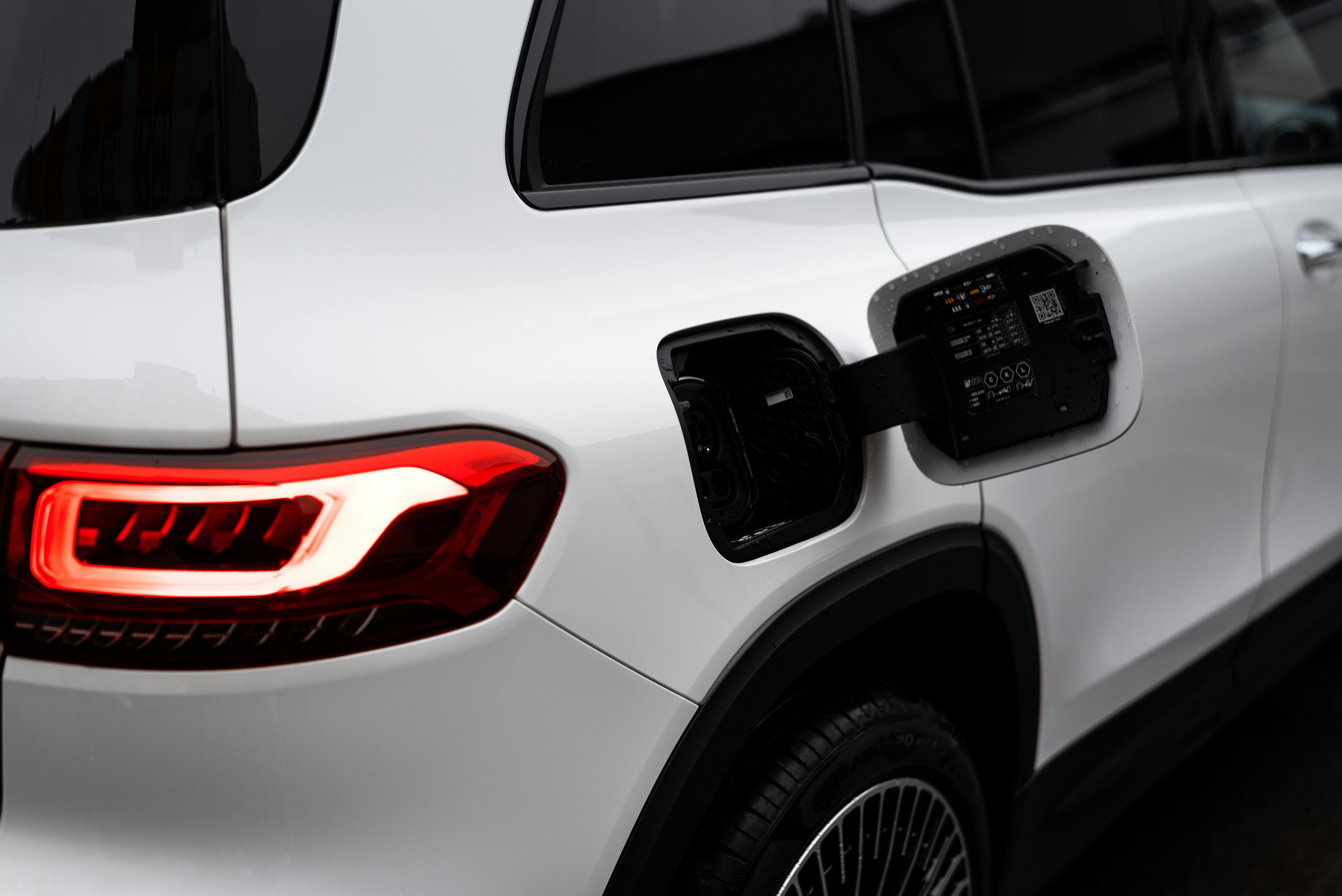
The future of electric vehicles isn't just about range; it's about how fast you can recharge and how long your battery lasts. In 2026, hyper-speed EV charging and advanced battery longevity are revolutionizing the driving experience. This comprehensive guide helps you navigate the cutting-edge technologies, compare the best electric cars for rapid charging, and make informed purchasing decisions to conquer range anxiety and protect your investment.
Introduction to the Topic
Welcome to 2026, where the hum of electric motors is the new symphony of the road, and the once-daunting specter of “range anxiety” is rapidly becoming a relic of the past. For years, the conversation around electric vehicles (EVs) revolved almost exclusively around how far they could go on a single charge. While range remains vital, the true game-changer today is the speed at which you can replenish that range, and the sophisticated ways manufacturers are ensuring your EV battery remains robust for years to come. At flyingracingcar.com, we understand that for our discerning readers, performance isn't just about 0-60 mph; it's about the entire ownership experience, including the efficiency of powering up.
This article dives deep into the electrifying world of next-generation EV charging and battery health. We'll uncover the technological marvels that allow vehicles to sip electrons at unprecedented rates, explore the burgeoning charging infrastructure, and equip you with the knowledge to choose an EV that not only thrills on the open road but also offers unparalleled convenience and long-term value. Whether you're a seasoned EV enthusiast or considering your first electric powerhouse, understanding these advancements is crucial to unlocking the full potential of your electric future.
Backgrounds & Facts
The journey from early EV charging, often limited to slow Level 2 home chargers, to today's hyper-fast DC charging networks has been nothing short of revolutionary. In 2026, the landscape is dominated by a fierce technological race to minimize downtime and maximize battery longevity. The cornerstone of this revolution is the widespread adoption of 800-volt (and even 900-volt) battery architectures. Unlike older 400-volt systems, these higher voltage platforms allow for significantly higher power delivery without excessive heat, enabling peak charging rates that regularly exceed 300 kW, with some pioneers pushing towards 450 kW and beyond.
Key facts shaping the 2026 EV charging paradigm:
- NACS Dominance: The North American Charging Standard (NACS) has largely consolidated the market, becoming the de facto standard across most new EVs sold in North America, simplifying the charging experience for consumers who previously navigated multiple connector types. Europe continues with CCS2, but adapters are becoming seamless.
- Liquid-Cooled Cables: To handle the extreme current flows required for hyper-speed charging, advanced liquid-cooled cables are standard at high-power stations, preventing overheating and ensuring consistent performance even under heavy load.
- Preconditioning is Key: Smart EVs now actively precondition their batteries (heating or cooling) en route to a fast charger, ensuring the battery is at its optimal temperature for accepting a rapid charge, significantly reducing charging times and protecting battery health.
- Battery Chemistry Evolution: Beyond voltage, battery chemistry itself is advancing. Silicon-anode batteries are showing promise, offering higher energy density and faster charging capabilities compared to traditional graphite anodes. Semi-solid-state batteries are also beginning to appear in niche high-performance models, promising even greater leaps in energy density and charge rates by the end of the decade.
- Charging Network Expansion: Major players like Electrify America, EVgo, IONITY, and of course, Tesla's Supercharger network (now accessible to many non-Tesla EVs), have vastly expanded, providing thousands of high-power charging stalls across continents. Competition is driving up reliability and accessibility, with real-time occupancy data integrated into vehicle navigation systems being standard.
These advancements collectively mean that a typical EV can now add 150-200 miles of range in under 15 minutes, transforming long-distance travel from a planning headache into a quick coffee break. Simultaneously, sophisticated battery management systems (BMS) are more effectively balancing cell health, optimizing charging cycles, and even offering predictive maintenance, all contributing to unprecedented battery longevity.
Expert Opinion / Analysis
“The shift in focus from pure range to ‘miles added per minute’ is the most significant psychological barrier we’ve overcome in the EV transition,” explains Dr. Lena Petrova, Lead Battery Architect at Quantum Drive Innovations. “Consumers are no longer just looking at the sticker range; they’re asking, ‘How quickly can I get back on the road?’ This metric, combined with robust battery health guarantees, is what truly eliminates range anxiety.”
Dr. Petrova emphasizes that while raw kW numbers are impressive, the efficiency of the charging curve is paramount. “A vehicle that can sustain a high charging rate for longer periods, rather than just hitting a high peak for a few minutes, will ultimately provide a faster overall charging experience. This is where 800V architectures truly shine, minimizing internal resistance and heat generation.”
Furthermore, the expert highlights the critical role of software in battery longevity. “Modern Battery Management Systems are incredibly intelligent. They learn your driving and charging habits, optimize cell balancing, and even predict potential degradation. Features like scheduled charging, which allows you to charge during off-peak hours or only to 80% for daily use, are no longer just conveniences; they are essential tools for extending the lifespan of your expensive battery pack. We’re also seeing more sophisticated thermal management systems that actively cool or heat the battery during charging and discharge, which is vital for both performance and longevity, especially in high-performance EVs.”
The integration of Vehicle-to-Grid (V2G) and Vehicle-to-Load (V2L) capabilities, while not directly related to charging speed, is also a growing trend that enhances the value proposition of modern EVs. “Imagine your car powering your home during an outage, or running your power tools at a remote job site,” Dr. Petrova muses. “These functionalities transform the EV from a mere mode of transport into a versatile energy asset, further solidifying its place in our electrified future.”
💰 Best Options in Comparison (VERY IMPORTANT)
For the discerning buyer in 2026, choosing an EV that excels in charging speed and battery health is a top priority. Here are some of the market leaders that truly set the benchmark, offering incredible performance both on the road and at the charging station:
-
Hyundai IONIQ 7 (2026 Model)
Building on the highly acclaimed E-GMP platform, the 2026 IONIQ 7 SUV is a masterclass in efficient, rapid charging. Its 800V architecture allows it to consistently achieve some of the fastest charging times in the industry, often going from 10% to 80% in under 18 minutes on a compatible 350kW charger. Coupled with its spacious interior, advanced driver-assistance systems, and competitive pricing, it's an unbeatable package for families and adventurers alike who demand minimal downtime.
-
Lucid Air Grand Touring
The Lucid Air continues to be a benchmark for luxury and range, but its charging prowess is equally impressive. Utilizing an advanced 900V+ architecture, the Grand Touring can add up to 300 miles of range in just 20 minutes under ideal conditions. Its sophisticated battery management system and robust thermal controls ensure that this high-speed charging doesn't compromise long-term battery health. For those seeking ultimate range and lightning-fast top-ups in a premium package, the Lucid Air is hard to beat.
-
Porsche Macan EV Turbo S
The first all-electric Macan, especially in its Turbo S guise, brings Porsche's legendary performance to the EV charging arena. Built on the new PPE platform, it also features an 800V architecture, enabling charging speeds that rival the best. Expect 10% to 80% charges in roughly 20-22 minutes, even with its substantial battery pack designed for exhilarating performance. Porsche's focus on engineering excellence extends to its battery thermal management, ensuring consistent performance and longevity even under spirited driving and repeated fast charging cycles. It's the ultimate blend of driving dynamics and charging efficiency.
Comparative Overview of Top-Tier EVs (2026 Models)
| Model | Battery Architecture | Peak Charging Rate (kW) | Time to 80% (approx.) | Est. Range (EPA) | Notable Charging Feature | Starting Price Range (USD) |
|---|---|---|---|---|---|---|
| Hyundai IONIQ 7 | 800V E-GMP | Up to 350 kW | 18 min (10-80%) | 300-350 miles | V2L, Optimal Charging Curve | $60,000 - $75,000 |
| Lucid Air Grand Touring | 900V+ Proprietary | Up to 300 kW | 20 min (10-80%) | 400-450 miles | Exceptional Range & Charging Speed | $100,000 - $120,000 |
| Porsche Macan EV Turbo S | 800V PPE | Up to 270 kW | 22 min (10-80%) | 280-320 miles | Performance-Oriented Thermal Mgmt | $110,000 - $130,000 |
Remember, real-world charging times can vary based on ambient temperature, charger availability, battery state of charge, and the specific charging station's capabilities. Always check current reviews and manufacturer specifications before making a purchase. Consider booking a test drive and asking your local dealership for a detailed demonstration of their EV's charging features.
Outlook & Trends
The trajectory for EV charging and battery technology is relentlessly upward. Looking beyond 2026, several exciting trends are poised to redefine the EV ownership experience even further:
- Solid-State Batteries: While still in early production for specialized applications, solid-state batteries promise even greater energy density, faster charging times (potentially 5-minute full charges), and enhanced safety. Expect to see these enter more mainstream production models towards the end of the decade, making today's advancements seem quaint.
- Wireless Charging Goes Mainstream: Static wireless charging pads for homes and public parking spots are becoming more efficient and widely available. Dynamic wireless charging, where EVs can charge while driving on specially equipped road segments, is being piloted globally and could revolutionize long-distance travel by eliminating charging stops altogether.
- MegaWatt Charging System (MCS): Primarily designed for heavy-duty trucks, the MCS standard (capable of delivering over 1 MW of power) will likely influence future passenger vehicle charging, pushing peak rates even higher for ultra-performance cars.
- AI-Powered Grid Integration: Smart charging systems will become even more sophisticated, using AI to predict optimal charging times based on grid demand, electricity prices, and individual vehicle needs, further reducing costs and supporting grid stability.
- Battery-as-a-Service (BaaS): Subscription models for batteries, where the battery is leased separately from the vehicle, could reduce upfront costs and provide predictable battery upgrade paths, ensuring owners always have access to the latest and healthiest battery technology. This also shifts the burden of long-term battery health from the consumer to the service provider.
These innovations promise a future where owning an EV is not just practical and environmentally conscious, but also incredibly convenient and increasingly affordable.
Conclusion
The era of genuine range anxiety is definitively over. In 2026, thanks to rapid advancements in 800V architectures, sophisticated battery management, and an expanding network of hyper-speed chargers, electric vehicles are more capable and user-friendly than ever before. The focus has shifted from merely covering distance to doing so with unparalleled speed and reliability, ensuring your battery remains healthy for the long haul.
For our readers at flyingracingcar.com, this means the choice of an EV is no longer a compromise but an upgrade, offering exhilarating performance seamlessly integrated with practical, lightning-fast charging. When considering your next electric powerhouse, prioritize models with advanced battery architectures, intelligent thermal management, and access to robust charging networks. By doing so, you're not just buying a car; you're investing in a future of effortless, electrifying mobility. Visit your local dealership today, compare these incredible options, and experience the future of driving firsthand!