
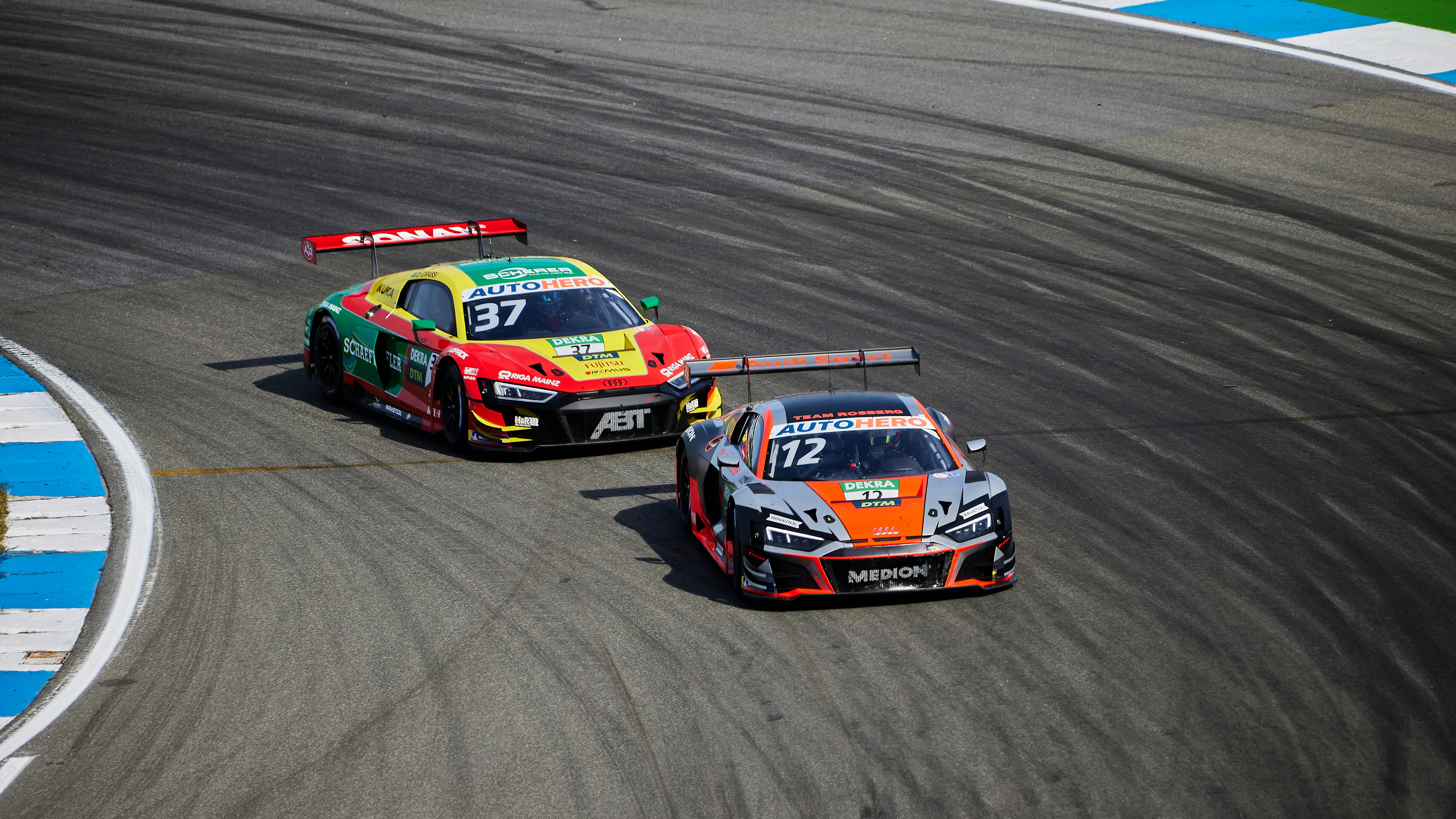
As 2026 revs up, motorsport stands at a pivotal crossroads. Discover how e-fuels and hydrogen are battling to define racing's sustainable future, from F1 to Le Mans. Learn which technologies are driving innovation, and crucially, how you can experience, invest in, or even race with these game-changing performance fuels. Get ready to book your tickets, upgrade your sim rig, or plan your next hypercar purchase!
Introduction to the Topic
Welcome to 2026, where the roar of engines is no longer just about raw power, but about the future of our planet. Motorsport, long criticized for its carbon footprint, has undergone a seismic shift, embracing a thrilling new era of sustainable performance. At the heart of this revolution are two colossal contenders: e-fuels and hydrogen. These aren't just eco-friendly alternatives; they are game-changers, promising to unlock new levels of performance while drastically slashing emissions. From the pinnacle of Formula 1 to the grueling deserts of Dakar and the iconic 24 Hours of Le Mans, the battle for the future of propulsion is raging, and it’s creating unprecedented opportunities for enthusiasts, investors, and future drivers alike. The question isn't if motorsport will go green, but how, and more importantly, how you can be a part of this billion-dollar transformation.
Backgrounds & Facts
For decades, motorsport's dazzling spectacle came with a heavy environmental cost. But as global consciousness shifts, so too does the industry. By 2026, the transition is not just underway; it’s accelerating at breakneck speed. E-fuels, or synthetic fuels, are a revolutionary 'drop-in' solution. Produced by combining captured atmospheric CO2 with green hydrogen (derived from renewable energy sources), these fuels are chemically identical to traditional gasoline, allowing existing internal combustion engines (ICEs) to run with a near-zero net carbon footprint. Think of it: your favorite V8 or V6 still screaming, but with a clear conscience. Porsche, a pioneer in this field, is already investing heavily in e-fuel production facilities, envisioning a future where their iconic 911s can run sustainably for generations.
Hydrogen, the universe’s most abundant element, presents a dual-pronged attack. Hydrogen fuel cell electric vehicles (FCEVs) generate electricity from a chemical reaction, emitting only water vapor. While currently more prevalent in specific niches like heavy transport or support vehicles in racing (e.g., Extreme E’s hydrogen chargers), its potential for direct combustion in modified ICEs is incredibly exciting. Imagine a hydrogen-powered engine that delivers immense power with zero tailpipe emissions other than water! Audi, for instance, has been at the forefront of hydrogen research, with plans for its integration into top-tier endurance racing. The World Endurance Championship (WEC) is already paving the way for a dedicated hydrogen class, signaling a major shift for prestigious events like the 24 Hours of Le Mans. Both technologies promise exhilarating performance, but their paths to dominance, and the experiences they offer, differ significantly.
Expert Opinion / Analysis
According to Dr. Anya Sharma, Head of Sustainable Motorsport Research at the FIA, "The 2026 regulations for Formula 1, mandating 100% sustainable fuels, are not merely a compliance measure; they are a catalyst for innovation that will reverberate across the entire automotive industry. E-fuels offer an immediate, cost-effective pathway to decarbonization for existing fleets, retaining the beloved sound and feel of traditional racing. Their logistical simplicity as a drop-in replacement is a huge advantage for global racing series." However, Dr. Sharma also points out, "Hydrogen, particularly in its combustion form, represents the ultimate zero-emission solution for the tailpipe. While infrastructure and storage challenges are more significant, its long-term potential for ultra-high performance with absolute purity is unmatched. We foresee a future where both technologies coexist, each excelling in different racing disciplines and vehicle applications."
Markus Thiel, CEO of HydroDrive Racing, a startup focused on hydrogen propulsion systems, offers a more direct view: "E-fuels are a fantastic bridge technology, but hydrogen is the destination for absolute zero emissions at the point of use. Our simulations show hydrogen combustion engines can match or even exceed the power output of current fossil fuel units, with incredibly rapid refueling times – crucial for endurance racing. The investment in hydrogen infrastructure is substantial, yes, but the long-term environmental and performance dividends are immense. We are already seeing incredible advancements in tank technology and direct injection systems that make hydrogen combustion a viable, thrilling reality for top-tier motorsport by the end of the decade."
The debate boils down to pragmatism versus ultimate purity. E-fuels offer a faster, less disruptive transition for existing racing series and road cars, preserving the ICE's legacy. Hydrogen promises a cleaner slate, pushing boundaries in entirely new ways, albeit with a steeper initial investment in infrastructure and vehicle design. Both, however, guarantee a future where speed and sustainability are no longer mutually exclusive.
💰 Best Options in Comparison (VERY IMPORTANT)
The revolution isn't just happening on the track; it's creating incredible avenues for YOU to engage, experience, and even profit from. Here’s how you can dive headfirst into the sustainable motorsport future:
- Experience the Roar Live: Book Your Race Tickets & VIP Packages
The most exhilarating way to witness this technological arms race is trackside. By 2026, Formula 1 is running on 100% sustainable fuels, meaning every Grand Prix is a testament to e-fuel prowess. Secure your F1 tickets or exclusive VIP hospitality packages to iconic races like Monaco, Silverstone, or COTA and be among the first to hear the new, greener thunder. For endurance racing purists, the World Endurance Championship (WEC) and its legendary 24 Hours of Le Mans offer a glimpse into the future of hydrogen propulsion – keep an eye out for emerging hydrogen classes and support events. The Dakar Rally, already embracing renewable fuels, provides an unparalleled adventure experience. Don't just watch the highlights; feel the energy, smell the (cleaner) exhaust, and immerse yourself in history being made. Early bird bookings for 2027 events are already opening, so act fast to secure prime viewing spots and premium experiences. - Master the Future Virtually: Upgrade Your Sim Racing Rig
Can’t get to the track? Bring the track to you! The bleeding edge of sustainable motorsport is already being simulated with astonishing fidelity. This is arguably the most accessible and high-engagement entry point. Invest in a top-tier racing simulator setup – we’re talking direct-drive wheelbases (e.g., Fanatec Podium, Simucube 2 Pro), professional-grade pedal sets (Heusinkveld, VRS), and ultra-wide or VR displays. Dive into titles like iRacing, Assetto Corsa Competizione, or the upcoming 'RaceFuel 2027' which will feature accurately modeled e-fuel and hydrogen-powered prototypes. Many pro drivers hone their skills on these very rigs. This isn't just gaming; it's training, experiencing, and understanding the nuances of future racing tech from your home. Compare the best sim racing peripherals and build your ultimate virtual cockpit today! - Drive the Revolution: High-Performance Driving Schools & Track Days
Imagine taking the wheel of a sustainable performance machine. Several elite driving academies and track day organizers are rapidly integrating e-fuel compatible vehicles or even prototype hydrogen cars into their advanced programs. Companies like the Porsche Experience Centers are already offering glimpses into e-fuel performance. Look for specialized 'Future Fuels' driving experiences from premium providers. This is your chance to feel the raw power and precision of these groundbreaking technologies yourself, often under expert instruction. Booking a slot at a renowned driving school could be your first step towards becoming a sustainable racing connoisseur. - Invest in Tomorrow's Garage: Future Hypercar & Sports Car Acquisitions
While direct consumer hydrogen cars are still nascent, the development in motorsport directly influences road car technology. Manufacturers like Porsche are committed to e-fuel compatibility for their future performance models, and others are exploring hydrogen ICEs for niche hypercars. Understanding these technologies now helps you make informed decisions about your next high-performance vehicle purchase. Are you eyeing a classic 911 that can run carbon-neutral? Or perhaps a groundbreaking hydrogen-powered limited-edition hypercar in the 2030s? The knowledge gained from motorsport's sustainable shift is invaluable for any discerning automotive investor or collector.
| Feature | E-Fuels (Synthetic Fuels) | Hydrogen (Combustion/Fuel Cell) |
|---|---|---|
| Performance Impact | Comparable to premium fossil fuels; maintains ICE characteristics (sound, feel). | High power density, rapid refueling; unique engine characteristics (quieter combustion, potential for very high RPMs). |
| Environmental Benefit | Near-zero net carbon emissions (carbon neutral lifecycle); reduces existing fleet emissions. | Zero tailpipe emissions (water vapor); truly clean at point of use. |
| Infrastructure Readiness | "Drop-in" compatibility with existing fuel infrastructure and engines; easier global distribution. | Requires significant new production, storage, and distribution infrastructure; more complex logistics. |
| Cost (Current/Future) | High current production cost, expected to decrease with scale; more accessible in short-medium term. | High initial investment in tech and infrastructure; long-term cost efficiency potential. |
| Key Racing Series / Adoption | Formula 1 (100% by 2026), WEC (hybrid, future e-fuel options), Porsche Supercup, Dakar Rally. | WEC (dedicated hydrogen class planned), Extreme E (support vehicles), emerging prototype series. |
| Challenges | Energy intensive production, ensuring truly "green" hydrogen input for synthesis. | Storage (liquid H2 requires extreme cold, compressed H2 requires high pressure), safety perceptions, production scalability. |
Outlook & Trends
Looking ahead, the trajectory is clear: sustainable fuels are not a fad, but the undeniable future of motorsport. By the end of the decade, we can expect to see:
- Widespread Adoption: E-fuels will likely become the standard for all existing ICE-based racing categories, ensuring their longevity and relevance.
- Hydrogen's Ascent: Dedicated hydrogen racing series, perhaps even entirely new disciplines, will emerge, pushing the boundaries of what's possible with this clean energy source. Imagine endurance races where the only 'pit stop' is a rapid hydrogen refill!
- Technology Transfer: The innovations forged in the crucible of motorsport will rapidly trickle down to consumer vehicles. We'll see more e-fuel compatible sports cars, and potentially even hydrogen-powered niche performance vehicles, becoming a reality sooner than many expect.
- Fan Engagement: The narrative of sustainable racing will attract a new generation of fans, eager to support a sport that aligns with their values. Events will highlight the environmental advancements as much as the on-track drama.
The synergy between motorsport and green technology will not only save racing but elevate it to new heights of engineering marvel and public appeal. The pioneers of today are laying the groundwork for the legends of tomorrow.
Conclusion
The year 2026 marks a pivotal moment where motorsport truly embraces its sustainable destiny. The battle between e-fuels and hydrogen isn't about one winning over the other; it's about a collective push towards a greener, faster, and more thrilling future for racing. Whether you're booking tickets to an F1 Grand Prix powered by e-fuels, upgrading your sim rig to virtually pilot hydrogen prototypes, or planning your next sustainable hypercar investment, the opportunities to be a part of this electrifying era are boundless. Don't just read about the future; actively engage with it. The green flag has dropped on motorsport's next golden era – are you ready to race?