
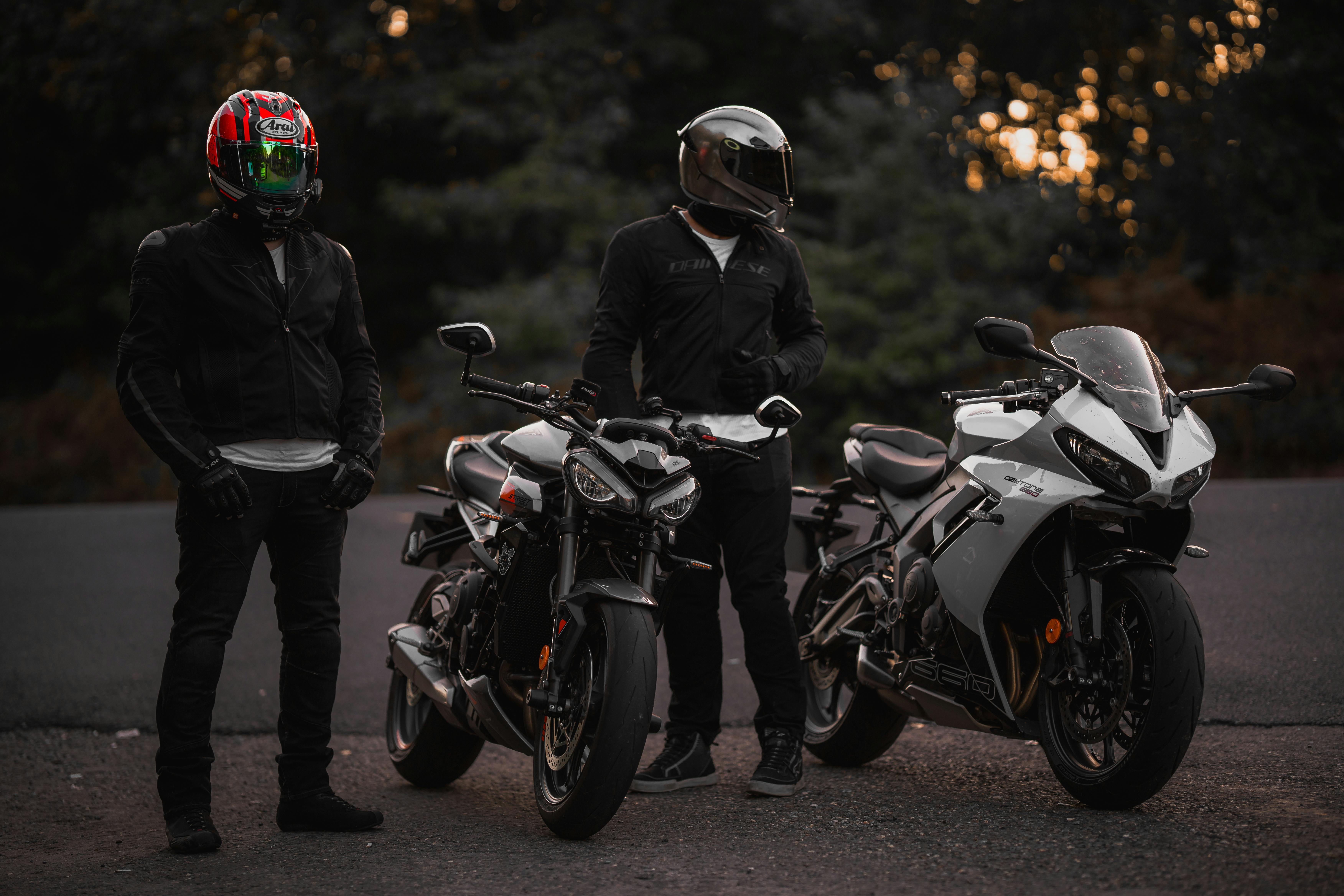
The future of two-wheeled exhilaration is here! Dive into the thrilling world of 2026 electric motorcycles, where unparalleled performance meets sustainable innovation. This comprehensive buyer's guide explores the best EV bikes, offering extended range, rapid charging, and instant torque. Compare top models like the LiveWire S2 Del Mar, Energica Experia, Zero SR/S, and more to find your perfect electric ride. Get ready to electrify your commute and dominate the open road with zero emissions and maximum thrill!
Introduction to the Topic
Welcome, adrenaline junkies and eco-conscious riders, to the revolution on two wheels! The year 2026 marks a pivotal moment in motorcycling history, as electric bikes transition from niche curiosities to mainstream powerhouses. No longer just a whisper of what's to come, electric motorcycles have arrived with a thunderous silence, delivering instant torque, breathtaking acceleration, and a riding experience that's both profoundly familiar and exhilaratingly new. At flyingracingcar.com, we've witnessed the rapid evolution, and we're here to tell you: the time to go electric is now.
Forget range anxiety and sluggish performance; today's electric motorcycles are engineering marvels, boasting sophisticated battery technology, advanced motor designs, and integrated smart features that redefine what a bike can be. Whether you're a seasoned rider looking for your next high-performance machine, a city commuter seeking an efficient and quiet ride, or an adventure enthusiast yearning for silent trails, there's an electric motorcycle perfectly tailored for you. This guide isn't just about showcasing the latest models; it's about empowering you with the knowledge to make an informed decision, highlighting the key innovations, comparing the best options, and revealing why an electric motorcycle might just be the most exciting purchase you make this year.
Backgrounds & Facts
The journey of the electric motorcycle from obscure concept to a market-disrupting force has been nothing short of spectacular. While prototypes and limited-run electric bikes have existed for decades, the early 2020s saw an exponential leap in development. By 2026, several critical advancements have converged to make electric motorcycles a compelling alternative to their internal combustion engine (ICE) counterparts.
Foremost among these is battery technology. Gone are the bulky, heavy, and low-density power packs of yesteryear. Modern lithium-ion battery arrays, often utilizing advanced cell chemistries like solid-state or semi-solid-state designs, offer significantly higher energy density. This translates directly to extended ranges – 200+ miles on a single charge is now common for many models – and lighter overall vehicle weights. Furthermore, sophisticated thermal management systems ensure optimal battery performance and longevity, even under extreme riding conditions. Charging infrastructure has also matured dramatically; DC Fast Charging (DCFC) is standard on most premium electric bikes, allowing riders to replenish 80% of their battery in under an hour at a growing network of charging stations, mirroring the expansion seen in the electric car sector.
Motor technology has also seen incredible innovation. Permanent magnet synchronous motors (PMSM) and advanced AC induction motors deliver instant, linear torque that's simply unmatched by gasoline engines. This 'twist-and-go' power delivery provides an exhilarating and responsive ride, often without the need for complex multi-gear transmissions. The environmental benefits are undeniable: zero tailpipe emissions contribute to cleaner air, particularly in urban environments, aligning with global efforts to combat climate change. Many cities now offer incentives, preferred parking, or even access to restricted zones for electric vehicles, making them increasingly attractive for urban commuters. The quiet operation of electric bikes also reduces noise pollution, offering a more serene riding experience for the operator and a less intrusive presence for surrounding communities.
Market projections for 2026 indicate a robust and growing segment, with new players entering the arena and established manufacturers like Kawasaki and Honda introducing increasingly competitive electric lineups. This surge in competition is driving down costs, improving performance, and expanding the variety of electric motorcycles available, ensuring there's an electric option for virtually every riding style and budget.
Expert Opinion / Analysis
To truly understand the current landscape and future trajectory of electric motorcycles, we sat down with Dr. Anya Sharma, a leading expert in EV powertrain engineering and sustainable mobility at the Global Institute of Advanced Transport. Her insights reveal a fascinating blend of technological prowess and evolving rider expectations.
"The biggest misconception about electric motorcycles today is that they're a compromise," Dr. Sharma explains. "In 2026, that couldn't be further from the truth. We've reached a sweet spot where battery energy density, motor efficiency, and power electronics have matured to deliver performance that often surpasses equivalent ICE bikes, especially in terms of raw acceleration and low-end torque. The instant power delivery fundamentally changes the riding dynamics, offering a level of control and responsiveness that's truly addictive."
When asked about range anxiety, a common concern for potential buyers, Dr. Sharma was optimistic. "While it's a valid consideration, the reality on the ground has changed. With average ranges exceeding 150-200 miles for most premium models, and DC Fast Charging becoming ubiquitous, most daily commutes and even weekend tours are well within reach. Furthermore, advanced battery management systems (BMS) are now predicting range with remarkable accuracy, taking into account riding style, terrain, and even ambient temperature, giving riders greater confidence. We're also seeing the integration of AI-powered route planning that incorporates charging stops seamlessly, optimizing for both speed and efficiency."
Dr. Sharma also highlighted the often-overlooked safety benefits. "The inherent smoothness and precise control of electric motors allow for incredibly sophisticated traction control and ABS systems. Regenerative braking, where the motor acts as a generator to recharge the battery when decelerating, not only extends range but also offers an intuitive, controlled braking feel. Some advanced models are even experimenting with adaptive cruise control and blind-spot detection, leveraging radar and lidar technology, making them safer than ever before."
Looking ahead, Dr. Sharma anticipates further breakthroughs. "Solid-state batteries are on the horizon, promising even greater energy density and faster charging. We're also exploring vehicle-to-grid (V2G) capabilities, where your motorcycle could potentially feed power back into your home or the grid during peak demand. The future isn't just about faster, longer-range bikes; it's about integrating them into a smarter, more sustainable energy ecosystem."
💰 Best Options in Comparison (VERY IMPORTANT)
Choosing the right electric motorcycle in 2026 can be daunting, given the incredible variety and technological prowess on offer. To help you navigate this exciting market, we've curated a list of the top contenders, each excelling in different categories, designed to meet diverse riding preferences and budgets. Whether you're craving track-ready performance, long-distance comfort, or urban agility, there's an electric steed waiting for you.
- LiveWire S2 Del Mar: For the urban warrior and performance enthusiast, the S2 Del Mar is a masterclass in agility and instant gratification. Born from Harley-Davidson's electric offshoot, it boasts a sleek, minimalist design and exhilarating acceleration, perfect for carving through city streets or spirited canyon rides. Its 'ARROW' architecture keeps weight low, ensuring nimble handling.
- Energica Experia: The undisputed king of electric touring, the Experia is built for the long haul. With its class-leading range and comfortable ergonomics, it redefines electric adventure riding. Energica's commitment to DC Fast Charging means less downtime and more miles, making it ideal for cross-country journeys or extended weekend escapes.
- Zero SR/S: A versatile sport-tourer from an established EV motorcycle pioneer, the Zero SR/S offers a blend of performance, comfort, and advanced technology. Its fully faired design provides excellent wind protection, while the 'Cypher III+' operating system offers unparalleled customization of riding modes and connectivity features. It’s a fantastic all-rounder for daily commutes and spirited tours.
- Arc Vector: The pinnacle of ultra-premium electric motorcycling, the Arc Vector is more than just a bike; it's a technological statement. With its innovative 'Human Machine Interface' (HMI) system, including a haptic jacket and helmet with heads-up display, it offers an immersive and futuristic riding experience. Exclusivity, exquisite design, and extreme performance define this limited-production marvel.
- Kawasaki Ninja e-1 (2026 Model): Representing the entry of traditional Japanese giants into the performance EV segment, the 2026 Ninja e-1 offers an accessible yet thrilling electric sportbike experience. Leveraging Kawasaki's racing heritage, this model provides excellent handling and surprisingly potent acceleration for its class, making it an ideal choice for newer riders or those seeking a lightweight, fun electric option.
Here's a detailed comparison to help you weigh your options:
| Model | Type | Peak Power (HP) | Est. Range (City/Hwy) | DC Fast Charge (0-80%) | Price (USD, Est.) | Key Feature |
|---|---|---|---|---|---|---|
| LiveWire S2 Del Mar | Urban/Street Tracker | 80 | 113 mi / 70 mi | 75 min | $15,499 | Nimble ARROW Architecture |
| Energica Experia | Adventure Tourer | 102 | 261 mi / 160 mi | 40 min | $25,300 | Class-Leading Touring Range |
| Zero SR/S | Sport Tourer | 110 | 187 mi / 93 mi | 60 min (w/ Rapid Charge) | $20,495 | Versatile, Customizable Cypher III+ OS |
| Arc Vector | Hyper-Naked | 133 | 270 mi / 200 mi | 40 min | $120,000+ | HMI System (Haptic Jacket, HUD Helmet) |
| Kawasaki Ninja e-1 (2026) | Entry Sportbike | 12 (Peak 20) | 40 mi / 30 mi (Swappable) | N/A (Swappable Batteries) | $8,500 | Accessible, Swappable Battery System |
(Note: Prices and specifications are estimated for 2026 models and may vary based on market and optional upgrades. Always check with an authorized dealer for the latest information.)
Outlook & Trends
The electric motorcycle landscape is far from static; it's a dynamic arena of continuous innovation. Looking beyond 2026, several key trends are poised to further revolutionize the industry.
Battery Technology: The pursuit of greater energy density, faster charging, and lower costs will continue unabated. Solid-state batteries are expected to move from niche applications to more mainstream adoption, offering even lighter, more compact power packs with significantly increased range and ultra-fast charging capabilities. We might also see breakthroughs in alternative chemistries or structural batteries, where the battery itself forms part of the chassis, further reducing weight and complexity.
Swappable Batteries & Modular Platforms: For urban commuters and smaller displacement bikes, swappable battery systems, like those already being explored by consortiums of major manufacturers, will gain traction. This trend promises to eliminate charging downtime for specific segments, allowing riders to simply exchange a depleted battery for a fully charged one in minutes. Modular platforms will also allow manufacturers to adapt a single electric powertrain to various motorcycle styles, from cruisers to scramblers, increasing production efficiency and variety.
AI & Connectivity: Expect deeper integration of artificial intelligence and advanced connectivity. AI will optimize battery usage, predict maintenance needs, and tailor power delivery based on real-time riding conditions and rider preferences. Motorcycles will become even more integrated with smart city infrastructure, potentially communicating with traffic lights, charging networks, and even other vehicles to enhance safety and efficiency. Over-the-air (OTA) updates will become standard, allowing bikes to receive new features and performance enhancements throughout their lifespan.
Advanced Rider Assistance Systems (ARAS): Building on current ABS and traction control, future electric motorcycles will increasingly feature radar-guided cruise control, blind-spot monitoring, collision avoidance systems, and even semi-autonomous capabilities, leveraging the precise control offered by electric powertrains. These systems will not only enhance safety but also reduce rider fatigue on long journeys.
Sustainability Beyond the Battery: Manufacturers will focus not just on zero emissions during operation, but on the entire lifecycle of the motorcycle. This includes using recycled and sustainable materials in manufacturing, designing for easier recycling of components (especially batteries), and exploring ethical sourcing of raw materials. The 'green' appeal of electric motorcycles will extend beyond the tailpipe.
Conclusion
The year 2026 stands as a testament to how far electric motorcycles have come. They are no longer a futuristic concept but a tangible, exhilarating reality, ready to deliver a riding experience that is both intensely powerful and remarkably refined. With unparalleled instant torque, significantly extended ranges, and rapidly expanding charging infrastructure, the barriers to entry are dissolving, replaced by an open road of electrifying possibilities.
Whether you're drawn by the whisper-quiet power, the environmental stewardship, the cutting-edge technology, or simply the thrill of instant acceleration, there has never been a better time to explore the world of electric motorcycles. From urban commuters to long-distance tourers and high-performance machines, the options are diverse and compelling. We at flyingracingcar.com urge you to take the leap, book a test ride, and feel the future beneath you. The revolution is here, and your next ride is waiting to electrify your senses. The future of motorcycling isn't just coming; it's already here, silent, swift, and utterly sensational.