
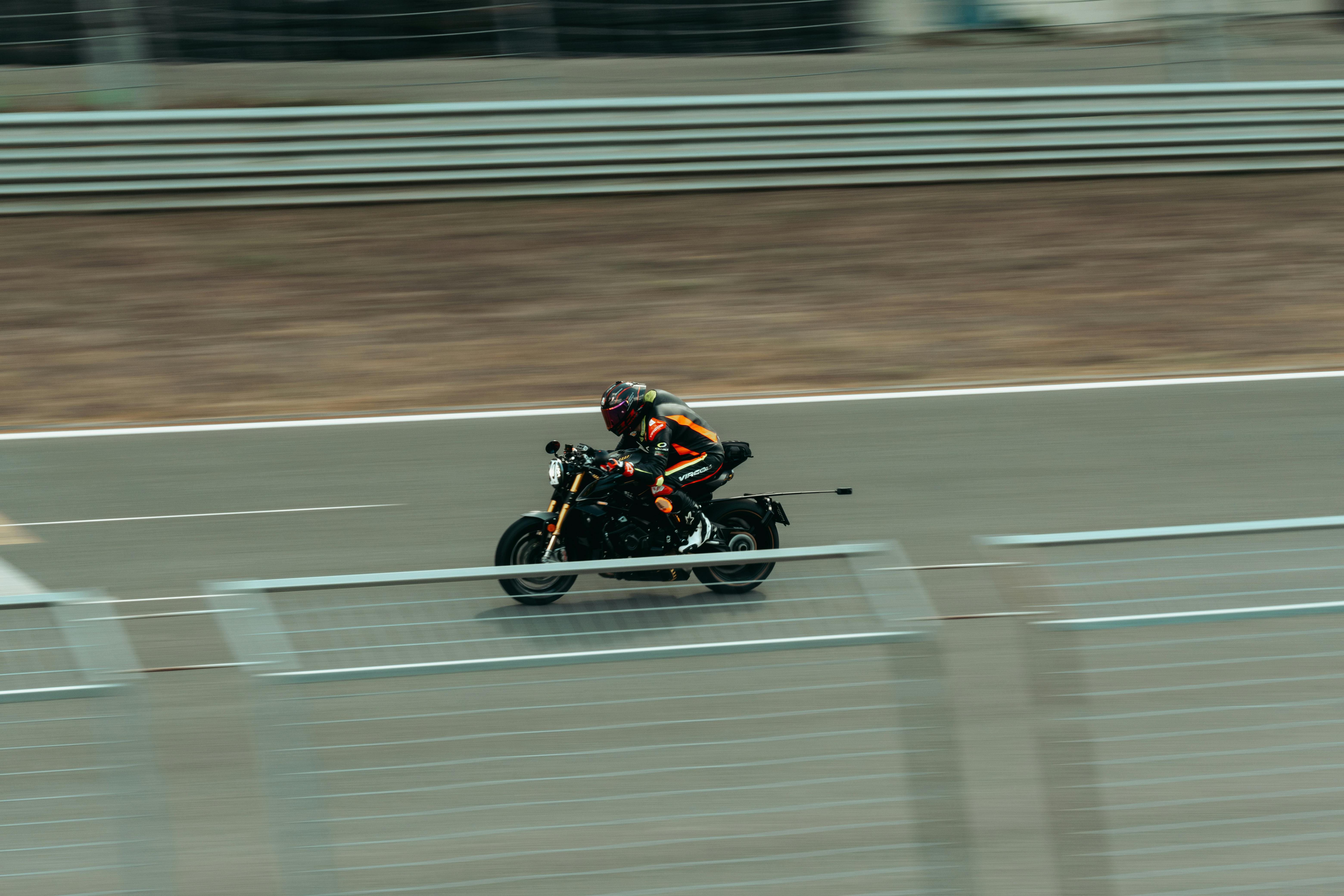
Some championships run a single specification of car, and some allow manufacturers to enter very different machines against each other. The second approach only produces close racing because the organisers actively adjust the cars.
The problem a mixed grid creates
A mid-engined coupe and a front-engined car with a large capacity engine reach the same lap time by completely different routes. One carries speed through corners, the other recovers it on straights.
Left alone, one concept will simply be better at a given circuit, and the championship becomes a contest between design offices rather than between teams and drivers.
Manufacturers will also not enter a series where their car is structurally uncompetitive, so equalisation is a condition of having a full grid at all.
What organisers actually adjust
The usual levers are ballast, engine output, fuel capacity and sometimes aerodynamic configuration. Each targets a different part of a lap.
Adding weight slows a car in braking, traction and cornering. Reducing power affects straights most. Cutting fuel capacity does not change lap time directly but forces more stops over a long race.
Choosing between them is how organisers avoid simply blunting a car everywhere and instead trim the specific advantage it holds.
Why the data has to come from racing
Simulation and testing give a starting point, but a car's true potential only appears when teams have optimised it under competitive pressure.
Organisers therefore collect telemetry across sessions and look at maximum performance rather than average results, because a slow finish may reflect strategy or an incident rather than the car.
Judging on race results alone would reward whoever ran the best campaign, which is precisely what the championship is supposed to measure.
Why teams have an incentive to hide pace
If performance is adjusted downward for cars that look fast, showing full pace early invites a penalty later. Teams are aware of this.
Some withhold their maximum in practice, which corrupts the data the organisers depend on and turns adjustment into a guessing exercise.
Series counter it by measuring peak values, by weighting recent events, and by limiting how far and how often figures may move between rounds.
Why it is never finished
Circuits reward different qualities, so a table that works at a short technical track can be wrong at one dominated by long straights. Adjustments are made round by round for that reason.
Teams also develop within the rules, and a package that gains through better setup will drift away from the equalised target.
The result is a permanent process rather than a fixed answer, and the argument about whether it is working is now a standard part of any championship that uses it.