
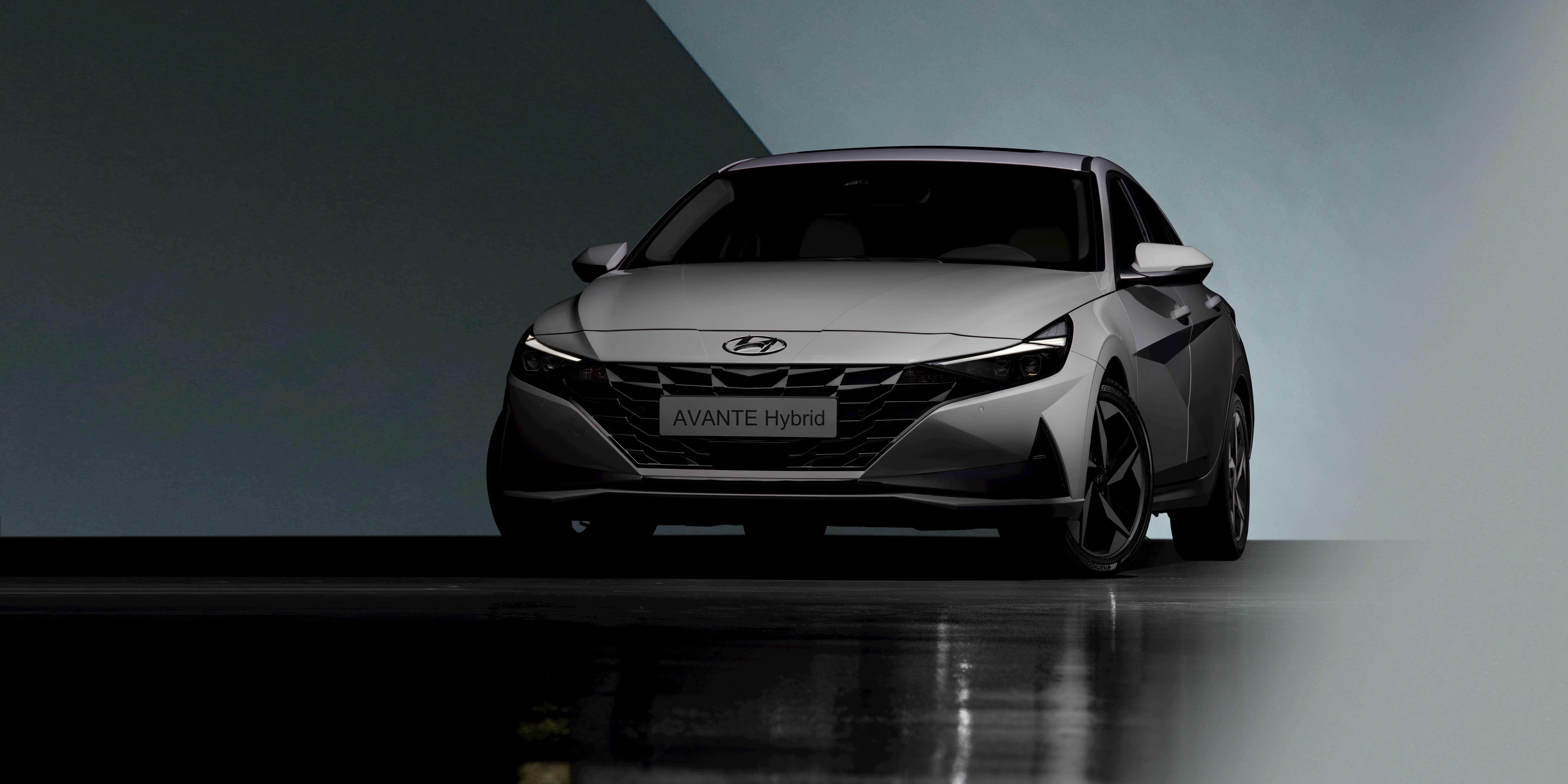
Hybrids are most often explained through city driving, where their advantage is largest. Their behavior on a long American highway commute follows different logic and yields a smaller benefit.
Recovery depends on deceleration events
Regenerative braking captures energy that would otherwise become heat in the brakes. A steady highway cruise produces almost no braking, so there is little to capture.
The battery therefore contributes less over a highway hour than over a city hour. Its stored energy comes primarily from the engine rather than from recovered motion.
That is why the same vehicle can post a higher city rating than highway rating, reversing the pattern familiar from conventional cars.
The engine still runs in a better place
Hybrid control strategies use the electric motor to shift engine operation toward its efficient load range, letting it produce more power than the wheels need and storing the surplus.
On rolling terrain, that smooths the load swings that would otherwise push a conventional engine into inefficient operation on every grade.
The gain is real but modest. It explains why hybrid highway figures usually beat comparable conventional cars without approaching the city difference.
Aerodynamics dominate at speed
Above roughly highway speeds, air resistance becomes the largest consumer of energy, and no powertrain choice changes the shape of the vehicle pushing through it.
A hybrid crossover and a conventional crossover of similar shape face the same drag. The powertrain can only affect how efficiently fuel is converted, not how much work is required.
This is why highway speed itself has more influence on consumption than powertrain type. Sustained higher speeds erode a hybrid's advantage faster than they erode a diesel's.
Battery size is chosen for this reality
Conventional hybrid batteries are deliberately small because they are cycled constantly rather than depleted. Extra capacity would add weight without adding usable benefit.
Plug-in variants change that by allowing a charged battery to cover the first part of a trip. Beyond that range they revert to conventional hybrid behavior for the remainder.
For a long commuter that distinction matters. A plug-in driven mostly on depleted battery carries the weight of a larger pack without using the capacity that justifies it.
Commute shape should drive the purchase
A driver whose commute is mostly free-flowing interstate sees a smaller return than one crawling through arterial traffic, even at identical annual mileage.
Mixed commutes with congestion at both ends sit between the two. Estimating the split honestly gives a better prediction than the window sticker average does.
None of this argues against hybrids on highways. It argues for setting expectations from the driving actually done rather than from the city figure that gets quoted most.