
A car stored for a northern winter often emerges worse than one driven through it. Sitting still creates its own failure modes, and most of them are cheap to prevent.
Batteries discharge even with nothing switched on
Modern vehicles draw a small parasitic current continuously to keep modules, alarms and keyless systems alive. That draw empties a battery over weeks of inactivity.
Cold makes it worse, because a battery delivers less capacity at low temperature while its internal resistance rises. A partly discharged battery can also freeze.
A maintenance charger left connected solves this. Disconnecting the negative terminal works too, though it means resetting clocks and sometimes relearning window and seat positions.
Fuel and moisture change over months
Gasoline degrades as lighter components evaporate and oxidation products form. Ethanol blends also attract water, which can separate out in a partly filled tank.
A nearly full tank reduces the air volume available to condense moisture. Stabilizer added before the last drive circulates through the fuel system rather than sitting in the tank.
Diesel owners face a different issue, since cold-weather fuel gels at low temperature and microbial growth appears in tanks holding water over long periods.
Tires and brakes take a set
Tires resting in one position at cold temperature can develop flat spots. Most work out after driving, but long storage on low pressure makes them permanent.
Inflating above normal pressure before storage helps, provided the tires are returned to specification afterward. Moving the car occasionally accomplishes the same thing.
Parking brakes can seize as rotors corrode against pads. Leaving the transmission in park with chocks, rather than the brake applied, avoids that on a level surface.
Fluids stop protecting where they are not circulating
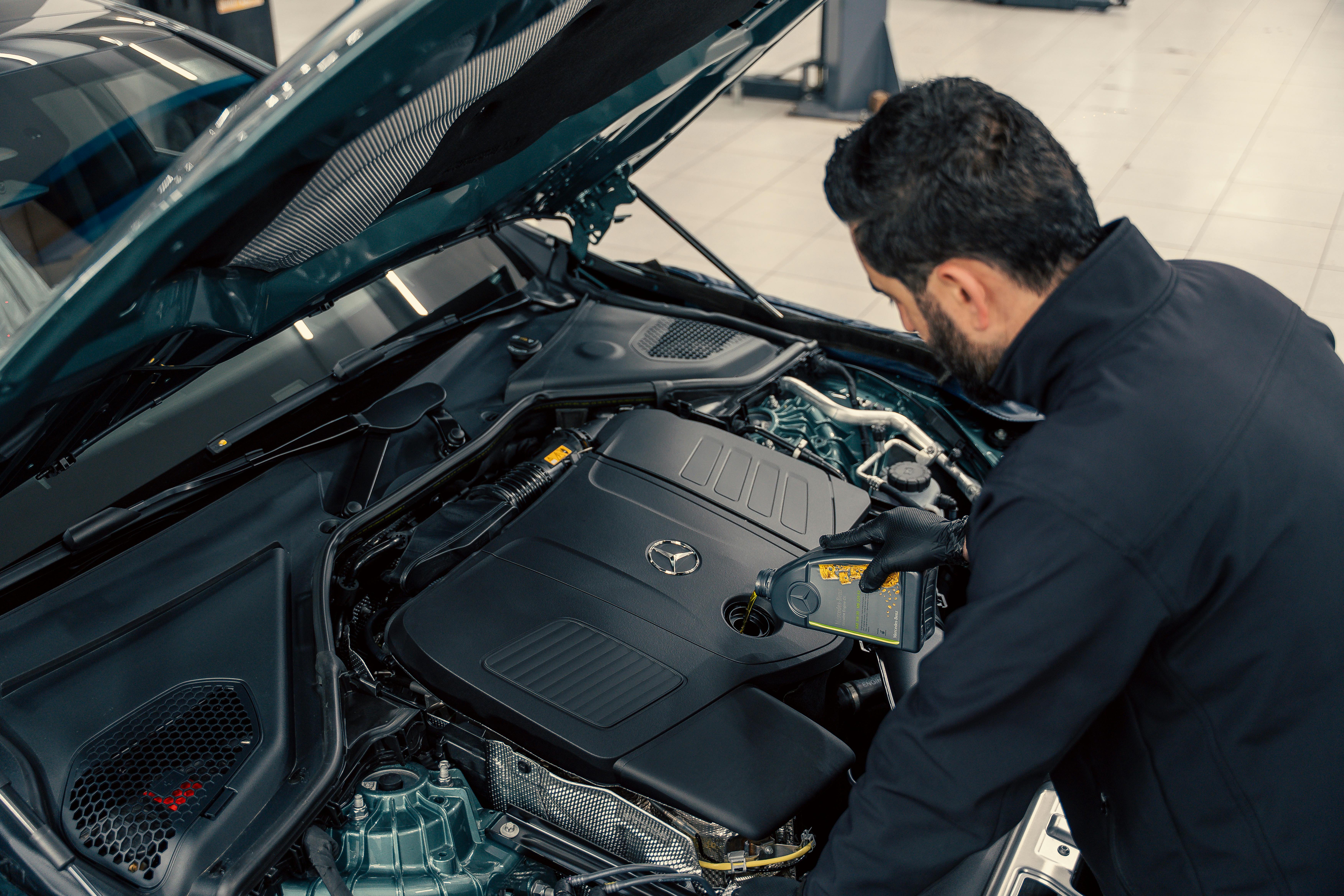
Oil drains from upper engine surfaces over weeks, leaving them dry at the next start. Changing oil before storage rather than after removes acidic combustion byproducts from the sump.
Coolant concentration matters more in storage than in use, because the engine never warms. A weak mixture can freeze and crack a block or heater core.
Rodents treat a parked car as shelter
A stationary vehicle offers warmth, cover and nesting material. Wiring insulation, cabin filters and air intakes are common targets, and the damage is often invisible until spring.
Preventing entry works better than deterrence. Blocking the exhaust and intake, avoiding food residue in the cabin and inspecting periodically catches problems while they are still small.
Insurance coverage for rodent damage varies by policy, and repairs to a wiring harness are expensive. This is the storage failure most likely to produce a genuinely large bill.