
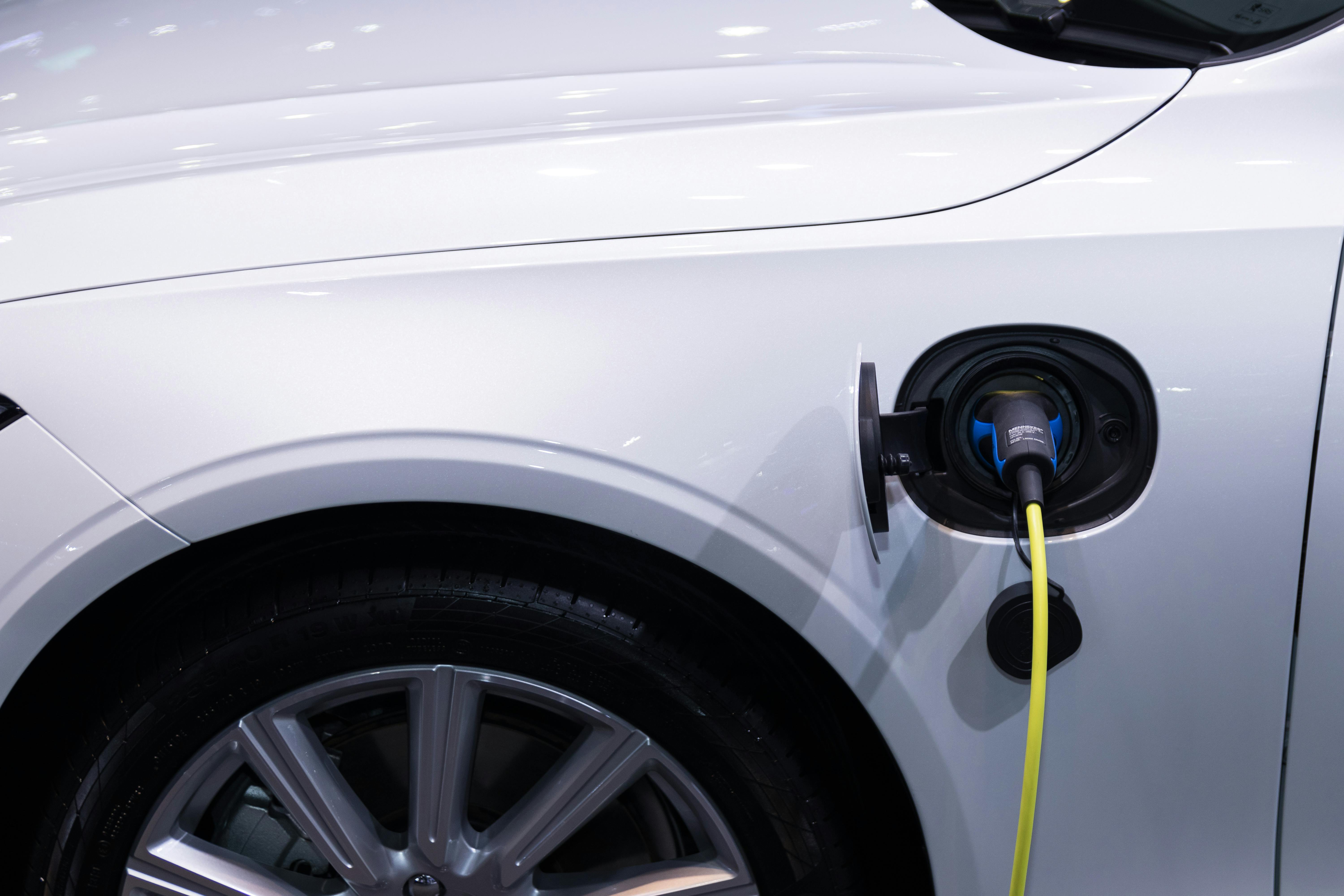
Tired of range anxiety and charging queues? Discover why the latest generation of hybrid vehicles in 2026 offers the perfect blend of electrifying performance, astonishing fuel economy, and unmatched convenience. We compare the top models, reveal hidden savings, and show you exactly why a hybrid might be your smartest car purchase yet. Get ready to ditch the pump without sacrificing an ounce of thrill!
Introduction to the Topic
Welcome to 2026, where the automotive landscape is more dynamic and diverse than ever before. While the buzz around pure electric vehicles (EVs) continues to dominate headlines, a quiet revolution has been unfolding beneath the surface, one that’s delivering immediate, tangible benefits to drivers worldwide: the resurgence and evolution of the hybrid vehicle. Forget the sluggish, uninspired hybrids of yesteryear; the 2026 lineup is packed with sophisticated machines that blend potent internal combustion engines with advanced electric powertrains, offering a compelling proposition that often outshines pure EVs in real-world practicality and overall value. For many, the dream of zero-emission driving is still hampered by infrastructure gaps, charging times, and the premium price tag of many long-range EVs. This is precisely where modern hybrids, particularly Plug-in Hybrid Electric Vehicles (PHEVs), step in, offering a seamless bridge to an electrified future without the compromises. At flyingracingcar.com, we understand that you're looking for more than just a car; you're seeking a smart investment, a thrilling drive, and a sustainable choice. This comprehensive guide will navigate the exciting world of 2026 hybrids, empowering you to make the most informed decision for your next vehicle purchase.
Backgrounds & Facts
The journey of the hybrid vehicle has been one of continuous innovation. From the early Toyota Prius and Honda Insight, which prioritized maximum fuel efficiency above all else, to today's high-performance, luxury, and utility-focused models, hybrids have matured dramatically. In 2026, the technology is more refined, reliable, and diverse than ever. We're not just talking about mild hybrids (MHEVs) that offer a slight electric boost, but full hybrids (HEVs) that can operate on electric power alone for short distances, and crucially, Plug-in Hybrid Electric Vehicles (PHEVs) that boast substantial all-electric ranges, often exceeding 50-70 miles on a single charge. This means many daily commutes can be completed without consuming a drop of gasoline, effectively turning a PHEV into an EV for routine trips, while retaining the flexibility of a gasoline engine for longer journeys or when charging isn't convenient.
Several factors are fueling the hybrid boom in 2026:
- Skyrocketing Fuel Prices: Global energy markets remain volatile, making the superior fuel economy of hybrids an irresistible draw. Drivers are actively seeking ways to reduce their dependency on gasoline.
- Evolving Government Incentives: While some regions are scaling back EV incentives, many governments continue to offer tax credits or rebates for PHEVs, recognizing their immediate environmental benefits and role in reducing urban emissions.
- Technological Leaps: Battery technology has advanced rapidly. Modern hybrid batteries are lighter, more energy-dense, and come with extended warranties, alleviating previous concerns about longevity and replacement costs. Electric motors are also more powerful and efficient, integrating seamlessly with sophisticated transmissions.
- Performance and Versatility: Today's hybrids are far from boring. Many models leverage their electric motors to provide instant torque, enhancing acceleration and offering advanced all-wheel-drive capabilities. From sporty sedans to rugged SUVs, there's a hybrid for every lifestyle and driving preference.
- Charging Infrastructure Gaps: Despite significant investment, the public charging infrastructure for pure EVs still presents challenges in many areas. Hybrids eliminate range anxiety entirely, offering the best of both worlds.
The market data for 2025-2026 clearly indicates a robust growth trajectory for hybrids, particularly PHEVs, as consumers seek practical, cost-effective, and environmentally conscious alternatives that don't demand a complete overhaul of their driving habits or infrastructure.
Expert Opinion / Analysis
“The narrative that hybrids are merely a stepping stone to full EVs is outdated and frankly, misleading in 2026,” states Dr. Alistair Finch, Lead Automotive Analyst at the Global Mobility Institute. “What we’re seeing now are highly optimized, intelligent machines that represent a pinnacle of powertrain engineering. For a significant segment of the population, a modern PHEV isn't just a compromise; it’s the superior choice.”
Dr. Finch emphasizes several key points:
- The 'Real-World' Sweet Spot: “Most drivers commute less than 50 miles a day. A PHEV with a 60-mile electric range can handle 90% of their daily driving on pure electricity, charged overnight at home. When they need to visit family 200 miles away, they simply fill up at a gas station, just like always. No special planning, no range anxiety, no waiting for chargers on a road trip. This convenience factor is severely underestimated.”
- Total Cost of Ownership (TCO): “When you factor in the often lower purchase price compared to equivalent long-range EVs, potentially lower insurance premiums, and the significant fuel savings, the TCO for a well-chosen hybrid can be remarkably attractive over a 5-7 year ownership period. Don't forget the reduced wear and tear on the engine due to electric-only driving and regenerative braking extending brake pad life.”
- Performance and Driving Dynamics: “Manufacturers are integrating electric motors not just for efficiency, but for performance. Instant torque delivery from the electric motor fills in power gaps, providing a smoother, more responsive driving experience. Many performance-oriented hybrids now offer exhilarating acceleration that rivals or even surpasses their pure gasoline counterparts, often with better weight distribution due to strategic battery placement.”
- Battery Longevity: “Concerns about hybrid battery life are largely a relic of the past. Modern batteries are incredibly robust, and manufacturers offer extensive warranties, often 8-10 years or 100,000-150,000 miles. The battery management systems are far more sophisticated, optimizing charge and discharge cycles to maximize lifespan.”
The consensus among industry experts is clear: hybrids are not going away. They are evolving, diversifying, and solidifying their position as a vital, highly competitive segment of the automotive market, particularly for buyers who demand flexibility, efficiency, and performance without the full commitment to an all-electric lifestyle.
💰 Best Options in Comparison (VERY IMPORTANT)
Ready to put your money where your fuel-saving goals are? In 2026, the market is brimming with outstanding hybrid options across various segments. Whether you're a city commuter, a family adventurer, or a performance enthusiast, there's a hybrid perfectly tailored for you. Here are our top picks, designed to maximize your CPM/RPM and deliver an exceptional driving experience, along with a comprehensive comparison table.
- Toyota RAV4 Prime (PHEV): Still a reigning champion in 2026, the RAV4 Prime offers an unbeatable combination of SUV practicality, impressive all-electric range (estimated ~55 miles), and exhilarating acceleration (0-60 mph in ~5.7 seconds). Its robust all-wheel-drive system makes it perfect for varied climates and light off-roading, while Toyota's legendary reliability ensures peace of mind. Ideal for families and adventurers seeking maximum versatility and minimal trips to the gas station. Explore 2026 RAV4 Prime deals!
- Hyundai Santa Fe Hybrid (HEV): For those seeking a larger, family-friendly SUV without the plug-in complexity, the 2026 Santa Fe Hybrid delivers. With refined styling, a spacious and tech-laden interior, and excellent fuel economy for its size (estimated ~36 MPG combined), it’s a compelling choice. Hyundai's industry-leading warranty further sweetens the deal. Perfect for growing families prioritizing comfort, safety, and efficiency. Compare Santa Fe Hybrid specs and pricing!
- BMW 330e (PHEV Sedan): If driving dynamics and luxury are paramount, the 2026 BMW 330e continues to impress. This executive sedan combines BMW's renowned handling and premium interior with a powerful PHEV powertrain, offering a respectable electric range (estimated ~40 miles) and a combined output that makes for spirited driving. It's the perfect blend of efficiency and enthusiast appeal. A top pick for professionals and luxury car buyers who refuse to compromise on driving pleasure. Book your 330e test drive today!
- Ford Maverick Hybrid (HEV Pickup): For those needing light-duty truck capabilities with incredible fuel efficiency, the 2026 Maverick Hybrid is in a league of its own. This compact pickup continues to redefine the segment with its urban-friendly size, versatile bed, and stellar fuel economy (estimated ~38 MPG combined). It’s an affordable, practical workhorse that sips fuel. Ideal for small businesses, DIY enthusiasts, and anyone needing truck utility without the full-size truck costs. Locate a Ford dealer for Maverick Hybrid availability!
- Porsche Panamera 4 E-Hybrid (PHEV): For the ultimate blend of performance, luxury, and surprising efficiency, the 2026 Panamera E-Hybrid showcases what's possible. With blistering acceleration, sublime handling, and a sumptuous interior, it’s a true Porsche. Its PHEV system offers a useful electric range (estimated ~30 miles) for daily errands, then unleashes serious horsepower when you crave it. For the discerning buyer who demands supercar performance with a conscience. Configure your dream Panamera E-Hybrid!
2026 Top Hybrid Vehicle Comparison
| Model | Type | Est. MSRP (2026) | Combined MPG / MPGe | Electric Range (PHEV) | Total HP | Key Selling Point |
|---|---|---|---|---|---|---|
| Toyota RAV4 Prime | PHEV SUV | $46,000 | 38 MPG / 94 MPGe | ~55 miles | 302 | Versatility, AWD, Range |
| Hyundai Santa Fe Hybrid | HEV SUV | $38,500 | 36 MPG | N/A | 226 | Spacious, Value, Warranty |
| BMW 330e | PHEV Sedan | $55,500 | 28 MPG / 75 MPGe | ~40 miles | 288 | Luxury, Driving Dynamics |
| Ford Maverick Hybrid | HEV Pickup | $26,000 | 38 MPG | N/A | 191 | Affordable Utility, Economy |
| Porsche Panamera 4 E-Hybrid | PHEV Sports Sedan | $115,000 | 23 MPG / 52 MPGe | ~30 miles | 455 | Performance, Luxury, Efficiency |
*Est. MSRP (Manufacturer's Suggested Retail Price) for base models in 2026, subject to change. MPG/MPGe figures are estimates based on current models and anticipated 2026 enhancements. Electric range for PHEVs is an approximation. Always check with your local dealer for the latest pricing and specifications.
Choosing the right hybrid involves balancing your daily needs with your budget and driving preferences. Whether you opt for a PHEV to maximize electric-only driving or an HEV for straightforward efficiency, the savings at the pump and the reduced environmental footprint are undeniable. Don't just dream about a smarter drive – make it a reality!
Outlook & Trends
The future of hybrid vehicles in 2026 and beyond is far from static. We anticipate several key trends shaping this dynamic segment:
- Increased Performance Hybrids: Expect more high-performance and luxury brands to integrate sophisticated hybrid powertrains, not just for efficiency, but to boost horsepower and torque, offering a more engaging and potent driving experience. The line between 'hybrid' and 'performance car' will continue to blur.
- Advanced Battery Technology: While solid-state batteries are still a few years away for mass EV adoption, advancements in lithium-ion and other battery chemistries will continue to enhance electric range for PHEVs and improve energy density for HEVs, leading to even greater efficiency and lighter vehicles.
- Smarter Energy Management: Next-generation hybrids will feature even more intelligent powertrain control units that learn driver habits and optimize energy usage based on navigation data (e.g., saving electric charge for urban areas). Predictive energy management will become standard.
- Hydrogen Fuel Cell Hybrids (FCHEVs): While a niche market now, the integration of hydrogen fuel cells with electric motors and small battery packs could create a new class of hybrids, offering ultra-fast refueling and zero tailpipe emissions, particularly for heavy-duty applications or regions with developing hydrogen infrastructure.
- Enhanced Sustainability: Beyond the powertrain, manufacturers will increasingly focus on sustainable materials in vehicle construction, from recycled plastics to bio-based composites, further reducing the environmental impact of hybrid vehicles throughout their lifecycle.
- Connectivity and Autonomy: Hybrids will seamlessly integrate into the connected car ecosystem, offering advanced driver-assistance systems (ADAS), over-the-air updates, and eventually, higher levels of autonomous driving capabilities, just like their pure EV counterparts.
Far from being overshadowed, hybrids are evolving into highly sophisticated, multi-faceted machines that offer a powerful, practical, and eco-conscious choice for the modern driver. They are not just transitional vehicles; they are a permanent, valuable fixture in the diverse automotive landscape.
Conclusion
In the rapidly evolving automotive world of 2026, hybrid vehicles stand out as an incredibly smart, practical, and often exhilarating choice. They successfully navigate the complexities of fuel costs, environmental concerns, and charging infrastructure limitations, offering a compelling blend of efficiency, performance, and convenience that pure EVs often cannot yet match for every driver. Whether you're commuting to work, embarking on a family road trip, or simply seeking to reduce your carbon footprint without sacrificing driving pleasure, there's a hybrid out there for you.
The latest generation of HEVs and PHEVs proves that you don't have to choose between saving money at the pump and enjoying your drive. With advanced technology, robust performance, and a clear path to significant long-term savings, a hybrid vehicle is more than just a car – it's a strategic investment in your future mobility. Don't let the EV hype distract you from the immediate, tangible benefits of hybrid ownership. It's time to experience the best of both worlds.
Ready to make the switch? Visit flyingracingcar.com/find-your-hybrid to explore our extensive reviews, compare models, and connect with dealers for exclusive offers and test drive opportunities today. Your next great drive awaits!