
In 2026, Vehicle-to-Everything (V2X) communication is no longer a futuristic dream, but a crucial safety and efficiency feature for connected cars. Discover how V2X technologies like C-V2X and 5G are transforming road safety, traffic flow, and urban living. This ultimate buyer's guide compares the best V2X-enabled vehicles and services, helping you choose the smart car that actively protects you and optimizes your commute. Get ready to upgrade your driving experience with next-gen automotive tech!
Introduction to the Topic
Welcome to 2026, where your car isn't just a mode of transport; it's a vital, intelligent node in a vast, interconnected network. Forget passive safety features and reactive warnings; the future of driving is proactive, predictive, and incredibly personal. We're talking about Vehicle-to-Everything (V2X) communication – the revolutionary technology that allows your car to 'talk' to other vehicles, traffic infrastructure, pedestrians, and even the cloud. This isn't just about convenience; it's about unlocking unprecedented levels of road safety, optimizing traffic efficiency, and paving the way for truly autonomous driving. If you're in the market for a new vehicle, understanding V2X isn't just smart; it's essential for ensuring your investment is future-proof and genuinely enhances your daily life. Prepare to dive deep into how this game-changing car tech will transform your driving experience and why your next car absolutely must be a fluent communicator.
Backgrounds & Facts
At its core, V2X communication creates a 360-degree awareness around your vehicle, extending far beyond the line of sight of sensors and cameras. It's an umbrella term encompassing several distinct communication channels:
- V2V (Vehicle-to-Vehicle): Cars directly communicate with each other, sharing data on speed, direction, braking, and potential hazards. Imagine knowing a car two vehicles ahead has slammed on its brakes, giving you crucial extra milliseconds to react.
- V2I (Vehicle-to-Infrastructure): Your car exchanges information with roadside units like traffic lights, road signs, and construction zones. This allows for optimized speed advisories, traffic light synchronization (Green Light Optimal Speed Advisory - GLOSA), and warnings about upcoming roadwork.
- V2P (Vehicle-to-Pedestrian): Vehicles communicate with smartphones or wearable devices carried by pedestrians and cyclists, alerting drivers to their presence, especially in blind spots or adverse weather conditions.
- V2N (Vehicle-to-Network): Communication with cloud-based services and central servers. This enables real-time traffic updates, navigation, over-the-air software updates, and even remote diagnostics.
- V2G (Vehicle-to-Grid): Crucial for electric vehicles, allowing bidirectional communication with the power grid for smart charging, demand response, and potentially feeding energy back to the grid.
Two primary wireless technologies underpin V2X: Dedicated Short-Range Communications (DSRC) and Cellular V2X (C-V2X). While DSRC was an early contender, offering reliable, low-latency communication over short distances, the industry has largely converged on C-V2X. This includes both LTE-V2X and the more advanced 5G New Radio (NR) V2X, which leverages existing cellular networks and offers superior bandwidth, lower latency, and greater range, making it ideal for supporting complex autonomous driving functions and rich data exchange. By 2026, most new premium and mid-range vehicles are either equipped with or ready for C-V2X, with 5G V2X becoming the gold standard for robust connected car experiences in major urban centers and along key transportation corridors worldwide.
Expert Opinion / Analysis
Industry experts universally agree: V2X is not just an add-on; it's foundational for the next generation of mobility. Dr. Anya Sharma, Head of Future Mobility Research at Global AutoTech Solutions, states, “V2X is the digital nervous system for our roads. Without it, true Level 4 and Level 5 autonomy is severely limited. It provides the crucial non-line-of-sight awareness that sensors alone cannot achieve, effectively giving every vehicle a sixth sense.”
The benefits are profound. On the safety front, V2X is projected to prevent a significant percentage of multi-vehicle collisions and pedestrian accidents by providing early warnings for situations like blind intersections, emergency braking ahead, or approaching emergency vehicles. This translates directly into fewer fatalities, injuries, and insurance claims – a win for everyone.
For traffic efficiency, V2X-enabled vehicles can dynamically adjust speed to hit green lights, reducing idling and congestion. This not only saves fuel and time but also significantly lowers emissions, contributing to greener smart cities. Imagine a world where rush hour still moves smoothly!
However, challenges remain. Standardization across different regions and manufacturers is critical for seamless interoperability. While C-V2X is gaining traction, ensuring all vehicles and infrastructure components speak the same digital language is an ongoing effort. Cybersecurity and data privacy are paramount; protecting sensitive location and vehicle data from malicious attacks is a continuous battle. Governments and automotive consortia are actively working on robust encryption and authentication protocols. Finally, the sheer cost and coordination required for infrastructure deployment – equipping every traffic light and roadside unit – represent a significant hurdle, though public-private partnerships are accelerating progress in many areas.
💰 Best Options in Comparison (VERY IMPORTANT)
As of 2026, choosing a V2X-enabled vehicle means investing in unparalleled safety and a truly intelligent driving experience. While most premium manufacturers are integrating C-V2X (often 5G NR V2X), the specific features and level of integration can vary. Here’s a look at some of the leading options and what to consider:
- Mercedes-Benz (e.g., 2026 E-Class, S-Class): Mercedes has been a pioneer, leveraging V2X for advanced safety features. Their systems often integrate seamlessly with the MBUX infotainment, offering Intersection Collision Warning, Emergency Vehicle Alert (EVA), and Road Hazard Warning. They are heavily invested in 5G V2X, especially in collaboration with European smart city pilot programs, providing high-bandwidth communication for future autonomous features.
- BMW (e.g., 2026 5-Series, iX): BMW's approach focuses on enhancing their ConnectedDrive services with 5G V2X for predictive routing, advanced traffic jam assist, and real-time pedestrian/cyclist warnings. Their V2X integration aims to provide a more dynamic and anticipatory driving experience, particularly beneficial for urban environments and high-speed highway travel.
- Ford (e.g., 2026 F-150, Explorer): Ford, initially a DSRC proponent, has fully transitioned to C-V2X (primarily LTE-V2X with 5G capabilities for newer models). Their focus is often on practical, widespread utility, including School Zone Alerts, Traffic Light Information (TLI), and Blind Spot Assist enhancements that leverage V2V communication. They are actively involved in US smart city initiatives.
- Hyundai/Kia (e.g., 2026 IONIQ 7, EV9): These brands are aggressively integrating comprehensive C-V2X suites into their new electric and ICE platforms. Expect enhanced Forward Collision-Avoidance Assist (FCA) that uses V2X data, improved Lane Keeping Assist, and sophisticated V2P features. Their focus on mass-market adoption makes advanced safety accessible.
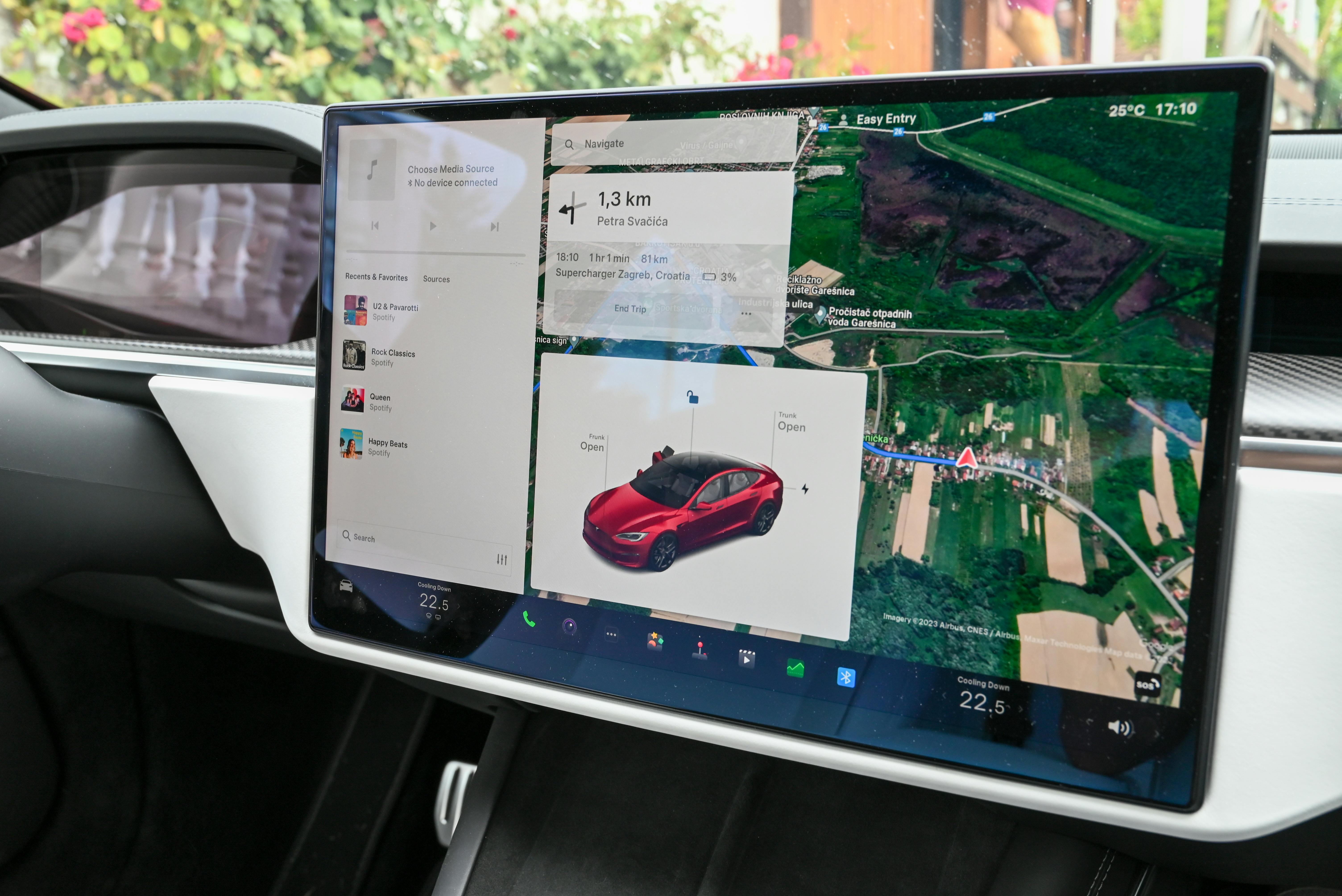
- Tesla: While Tesla often develops proprietary solutions, their vehicle network already provides extensive V2N data. As global V2X standards solidify, expect Tesla to integrate C-V2X for enhanced safety and to augment their Full Self-Driving capabilities, particularly for responding to emergency vehicles and traffic infrastructure.
Aftermarket Solutions & Future-Proofing: True V2X functionality is best integrated at the factory level, as it requires specialized hardware (modems, antennas) and deep integration with vehicle safety systems. However, ensure your chosen vehicle is 'V2X-ready' or explicitly states its V2X capabilities. Some telematics units can be upgraded or subscribed to for advanced V2N services that leverage V2X data, but direct V2V/V2I communication is typically OEM-specific. Furthermore, many smartphones are now being equipped with V2P capabilities, acting as beacons for pedestrians and cyclists, so ensuring your car can communicate with these devices is increasingly important.
V2X Services: Beyond the car itself, look for subscription services that leverage V2X data. These might include advanced navigation systems that predict traffic based on real-time V2V data, smart parking applications that guide you to available spots based on V2I, or even premium safety subscriptions that offer enhanced emergency response capabilities.
| Feature/Manufacturer | Mercedes-Benz (2026 E-Class) | BMW (2026 5-Series) | Ford (2026 F-150) | Hyundai (2026 IONIQ 7) |
|---|---|---|---|---|
| V2X Standard | C-V2X (5G NR) | C-V2X (5G NR) | C-V2X (LTE-V2X, 5G-ready) | C-V2X (5G NR) |
| Key Safety Features | Intersection Collision Warning, Emergency Vehicle Alert, Road Hazard Warning | Advanced Traffic Jam Assist, Predictive Routing, Pedestrian/Cyclist Warning | School Zone Alert, Traffic Light Info (TLI), Blind Spot Assist | Forward Collision-Avoidance Assist (V2X Enhanced), Lane Keeping Assist, V2P |
| Connectivity | Integrated 5G Modem | Integrated 5G Modem | Integrated LTE/5G Modem | Integrated 5G Modem |
| Smart City Integration | High (Pilot programs in Germany & EU) | High (Collaboration with EU & US cities) | Moderate (US city pilots, focus on infrastructure) | High (Korean & global smart city projects) |
| Subscription Required? | For advanced services/data plans | For advanced services/data plans | For advanced services/data plans | For advanced services/data plans |
| Value Proposition | Premium safety & luxury tech integration | Performance-oriented connectivity & dynamic driving | Practical utility, robust safety for everyday use | Tech-forward, comprehensive safety & accessibility |
Outlook & Trends
The trajectory of V2X technology is undeniably upward. Over the next few years, we'll see several key trends solidify its position as indispensable automotive tech:
- Seamless Integration with Autonomous Driving: V2X provides the critical missing link for Level 3, 4, and 5 autonomous vehicles. By extending their perception capabilities beyond what on-board sensors can provide, V2X will enable safer, more reliable, and smoother self-driving experiences, especially in complex urban environments and adverse weather conditions.
- Hyper-Personalized Mobility: V2X data, combined with AI, will create highly personalized driving experiences. Imagine your car anticipating traffic, suggesting optimal routes based on your calendar, or even pre-conditioning the cabin based on real-time weather data from connected infrastructure.
- Smart City Evolution: V2X is a cornerstone of future smart cities. It will enable dynamic traffic management, intelligent parking systems, optimized public transport, and proactive emergency services, making urban living more efficient and enjoyable.
- Enhanced Cybersecurity Frameworks: As V2X becomes more pervasive, so too will the focus on robust cybersecurity. Expect continuous advancements in encryption, authentication, and secure data exchange protocols to safeguard against potential threats.
- Regulatory Push and Global Harmonization: Governments worldwide are increasingly recognizing V2X's safety benefits. Expect more mandates and incentives for V2X adoption, coupled with ongoing efforts to harmonize global standards, ensuring interoperability across borders.
The future isn't just about cars driving themselves; it's about cars communicating intelligently with their entire environment, creating a safer, more efficient, and more connected world.
Conclusion
In 2026, Vehicle-to-Everything (V2X) communication is no longer a luxury; it's a fundamental requirement for any truly modern, safe, and intelligent vehicle. From preventing collisions to optimizing your daily commute and enhancing urban living, V2X is redefining what a car can do. As you consider your next vehicle purchase, prioritize models equipped with robust C-V2X (especially 5G NR V2X) capabilities. This technology isn't just about bells and whistles; it's about investing in a future where your car actively protects you, saves you time, and seamlessly integrates into the evolving landscape of smart cities and connected mobility. Don't be left behind in the digital dust; visit your local dealership today to experience V2X-enabled models firsthand and ask about how this revolutionary car tech is setting the new standard for safe, efficient, and intelligent driving!