
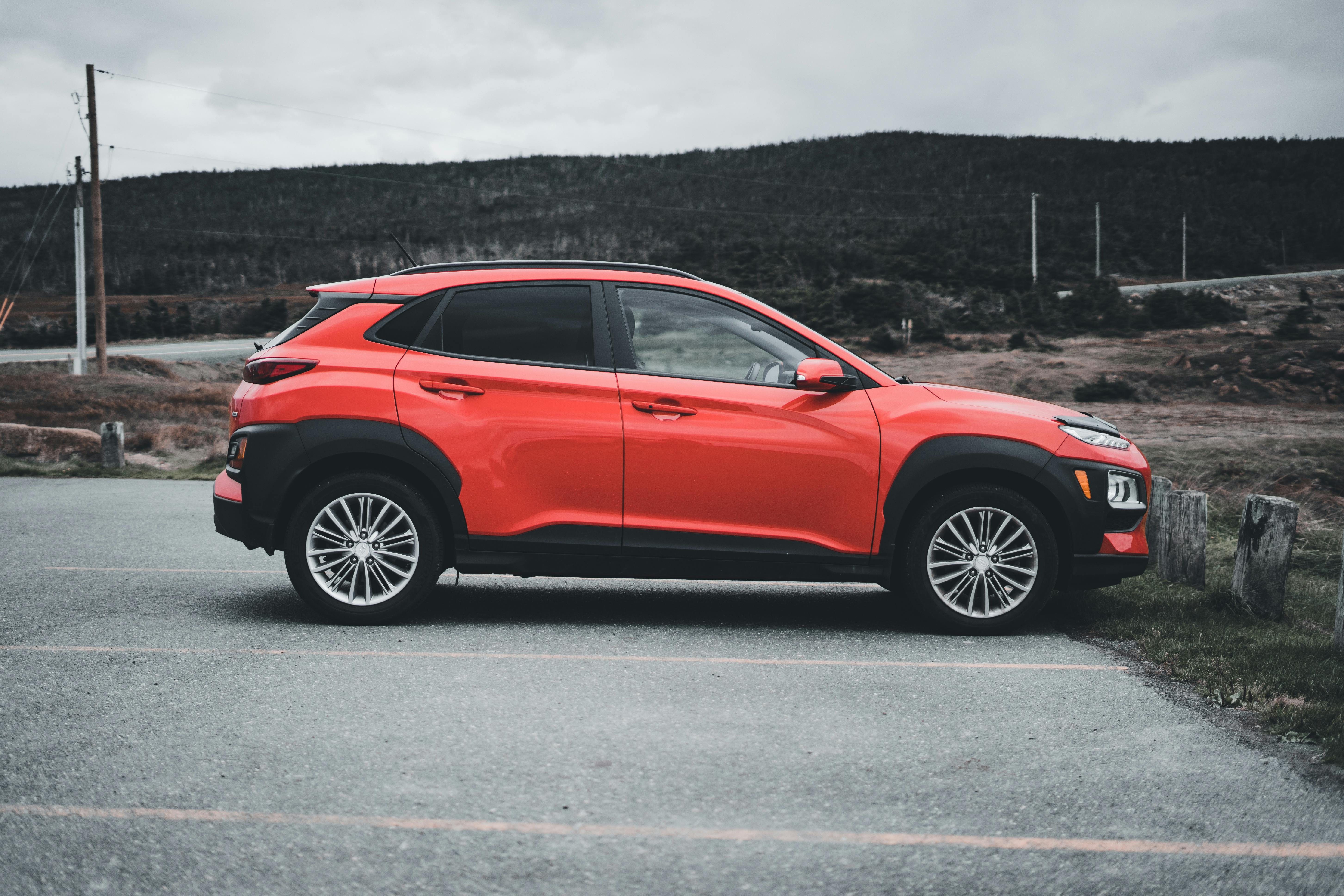
A silent epidemic is sweeping across American roads, fueled by consumer desires and cunning marketing. It’s an addiction, not to nicotine, but to oversized vehicles – SUVs. Experts are now drawing a chilling parallel, warning that the relentless rise of SUVs mirrors the public health crisis ignited by tobacco decades ago. The consequences, they say, are becoming undeniable: a spiraling cost to our health, our wallets, our safety, and the very air we breathe. Are we sleepwalking into a future where the SUV is seen not as a status symbol, but as a public health hazard? The alarm bells are ringing, and it's time to listen.
🔥 What's Happening Right Now
In the bustling landscape of American automotive culture, the Sport Utility Vehicle (SUV) has ascended to an almost mythical status. Once a niche vehicle for off-road enthusiasts, it has morphed into the quintessential family hauler, the urban commuter, and the suburban workhorse. SUV sales have skyrocketed in the US, consistently outpacing traditional sedans and even compact cars, capturing an ever-larger slice of the market. This seismic shift isn't just a matter of preference; it's a phenomenon with profound and often overlooked consequences, prompting a growing chorus of experts to sound a dire warning: SUVs are becoming the new smoking.
The analogy might seem extreme, even provocative, but it’s rooted in a disturbing pattern of hidden dangers and societal costs. Just as tobacco companies once downplayed health risks, the true impact of the SUV boom is only now becoming fully apparent. Leading environmental scientists are pointing to their disproportionate contribution to carbon emissions. SUVs, by their very nature – heavier, less aerodynamic, and often equipped with larger engines – consume more fuel than their sedan counterparts. This translates directly into higher greenhouse gas emissions, exacerbating air pollution and accelerating climate change. In a world grappling with extreme weather events and urgent calls for sustainability, the SUV trend represents a significant step backward, undermining efforts to transition to a greener future.
But the alarm extends beyond environmental concerns. Public health officials and urban planners are increasingly highlighting the safety implications. The sheer size and weight of modern SUVs create an inherent danger for other road users. Studies show a direct correlation between the rise of SUVs and an increase in pedestrian and cyclist fatalities. Their higher front ends and greater mass mean that in a collision, the impact on a person or a smaller vehicle is far more severe. Blind spots are larger, visibility for drivers of smaller cars is reduced, and the "arms race" mentality on our roads – where consumers feel compelled to buy larger vehicles for perceived safety – only escalates the overall risk for everyone.
Furthermore, the ubiquity of SUVs is subtly reshaping our urban and suburban environments. Wider parking spaces are needed, streets feel more congested, and the psychological dominance of these behemoths can make walking or cycling feel less safe and inviting. This contributes to a more sedentary lifestyle, as people are less inclined to choose active transportation options. The ripple effect touches everything from children's independence to community health, fostering environments built for cars, not for people. Experts from various fields are converging on a single, unsettling conclusion: the unchallenged dominance of the SUV is not merely an economic trend, but a multifaceted public health and environmental crisis unfolding in plain sight.
💡 Financial Impact
Beyond the environmental and safety concerns, the financial burden of the SUV craze is a silent drain on American households and the broader economy. Many consumers are drawn to SUVs for their perceived utility and rugged appeal, often without fully grasping the significant financial commitments they entail. This isn't just about the sticker price; it's a complex web of ongoing costs that can erode personal wealth and contribute to larger societal expenditures.
First and foremost are the fuel costs. With larger engines and greater weight, SUVs inherently consume more gasoline. Even with advancements in fuel efficiency, a typical SUV will consistently cost more to fill up than a comparable sedan or hatchback. In an era of volatile gas prices, this difference can amount to hundreds, if not thousands, of dollars annually. For families on tight budgets, this extra expenditure directly impacts their disposable income, forcing difficult choices elsewhere. Over the lifespan of the vehicle, these additional fuel costs represent a substantial, often uncalculated, investment.
Insurance premiums are another major factor. SUVs, due to their higher purchase price, greater potential for damage in accidents, and increased risk to other road users, often come with higher insurance rates. Insurers assess risk based on a multitude of factors, and the characteristics of SUVs frequently land them in a higher premium bracket. This means that year after year, SUV owners are paying more simply to protect their investment and cover potential liabilities, a cost that adds up significantly over time.
Maintenance and repair costs also tend to be elevated for SUVs. Larger vehicles require larger, more specialized tires, which are invariably more expensive to replace. The components of an SUV – from brakes to suspension systems – are often heavier-duty and thus pricier to repair or replace when wear and tear inevitably occur. Parts can be more expensive, and labor costs for servicing larger vehicles can sometimes be higher. This hidden cost of ownership can catch many off guard, turning routine maintenance into a significant financial strain.
Furthermore, the initial purchase price of an SUV is typically higher than that of a comparably equipped sedan. While resale values have historically been strong, the market is becoming saturated. As more manufacturers flood the market with SUV options, future depreciation could accelerate, potentially leaving owners with less equity than they anticipate. The societal financial burden is also considerable. Increased wear and tear on roads and infrastructure due to heavier vehicles, higher healthcare costs associated with more severe accidents and pollution-related illnesses, and the opportunity cost of investing in less efficient transportation all contribute to an economic drag that affects everyone, not just SUV owners.
💰 Best Options in Comparison
Understanding the financial, environmental, and safety implications of SUVs naturally leads to the question: what are the alternatives? For consumers looking to make a more informed and responsible choice, a diverse range of vehicles offers compelling benefits. The market is evolving rapidly, providing options that cater to various needs without the hidden costs associated with oversized SUVs. Here's a comparison of some of the best alternatives:
| Vehicle Type | Key Benefits | Environmental Footprint | Upfront Cost | Running Costs | Safety Profile (for others) | Practicality | Commercial Value Hook |
|---|---|---|---|---|---|---|---|
| Fuel-Efficient Sedans/Hatchbacks | Excellent MPG, nimble handling, easier parking, lower insurance. | Significantly lower emissions than most SUVs. | Generally lowest in category. | Very low (fuel, insurance, maintenance). | Lower risk to pedestrians/cyclists due to lower mass and profile. | Ample space for most families, urban maneuverability. | Highlight specific models, insurance comparison sites, fuel savings apps. |
| Electric Vehicles (EVs) - Sedans/Crossovers | Zero tailpipe emissions, instant torque, quiet ride, potential tax credits. | Zero tailpipe emissions, lower overall lifecycle emissions (especially with renewable charging). | Higher initial cost, but falling rapidly. | Extremely low (electricity often cheaper than gas, less maintenance). | No direct emissions, quiet operation reduces noise pollution. | Growing charging infrastructure, range suitable for most daily commutes and trips. | EV charging solutions, home solar integration, EV comparison tools, battery tech updates. |
| Compact SUVs/Crossovers | Higher seating position, some cargo flexibility, better MPG than full-size SUVs. | Better than large SUVs, but still higher than sedans/EVs. | Mid-range. | Moderate (better than large SUVs, worse than sedans/EVs). | Reduced, but still present, risks compared to sedans. | Good balance of utility and urban driveability for many families. | Comparison of specific compact SUV models, financing options, accessory bundles. |
| Minivans | Unbeatable passenger and cargo space, easy access with sliding doors, family-friendly features. | Comparable to larger sedans or smaller SUVs; improving efficiency. | Mid-range to higher. | Moderate (fuel, insurance, maintenance). | Generally good, designed for family safety. | Supreme practicality for large families, road trips, gear hauling. | Family safety features, entertainment system upgrades, long-term reliability reports. |
| Public Transportation/Ride-Sharing/Bikes (Urban) | No car ownership costs, reduced traffic, environmental benefits, exercise. | Near zero personal footprint. | Very low (monthly passes, ride fares). | Virtually none (if no car owned). | Significantly safer for urban environments, reduces congestion. | Ideal for urban living, reduces stress of parking/maintenance. | City pass promotions, e-bike reviews, car-sharing service subscriptions. |
The commercial value here is immense. By shifting consumer perception away from the "bigger is better" mentality, we open doors for a diverse range of products and services. This includes not only the sale of more efficient vehicles but also the ecosystem around them: insurance providers offering competitive rates for safer cars, companies specializing in EV charging solutions, public transport providers, and even personal finance tools that help consumers calculate their true cost of vehicle ownership. The smart money is on making informed choices that benefit both the individual and society.
Conclusion
The comparison of SUVs to smoking is not made lightly. It’s a stark metaphor designed to awaken us to a growing crisis that, much like tobacco’s insidious grip, has become normalized and even glamorized. For too long, the SUV has been marketed as a symbol of freedom, safety, and capability, obscuring its profound and accumulating costs. Experts, from environmental scientists to public health advocates and urban planners, are now unequivocally sounding the alarm, urging a critical re-evaluation of our automotive choices.
The evidence is mounting: SUVs contribute disproportionately to carbon emissions, exacerbate air pollution, and accelerate climate change. Their sheer size and weight increase the risk of fatalities for pedestrians, cyclists, and occupants of smaller vehicles. They impose a significant financial burden on owners through higher fuel, insurance, and maintenance costs, and they subtly reshape our communities in ways that diminish walkability and public health. This isn't merely about personal preference; it's about a collective impact that affects the air we breathe, the safety of our streets, and the financial well-being of millions.
The time for complacency is over. Just as society eventually confronted the truth about smoking, we must now confront the full implications of our addiction to oversized vehicles. The good news is that unlike the limited choices of the past, today offers a wealth of compelling alternatives. From highly efficient sedans and groundbreaking electric vehicles to practical minivans and robust public transport systems, there are options that provide utility, safety, and performance without the hidden costs. At flyingracingcar.com, we believe in empowering drivers with knowledge to make smart, sustainable choices that benefit everyone.
By choosing wisely, we can drive a future that is not only thrilling and dynamic but also healthier, safer, and more financially sound for ourselves and generations to come. The alarm has been sounded. The choice, America, is now yours.