
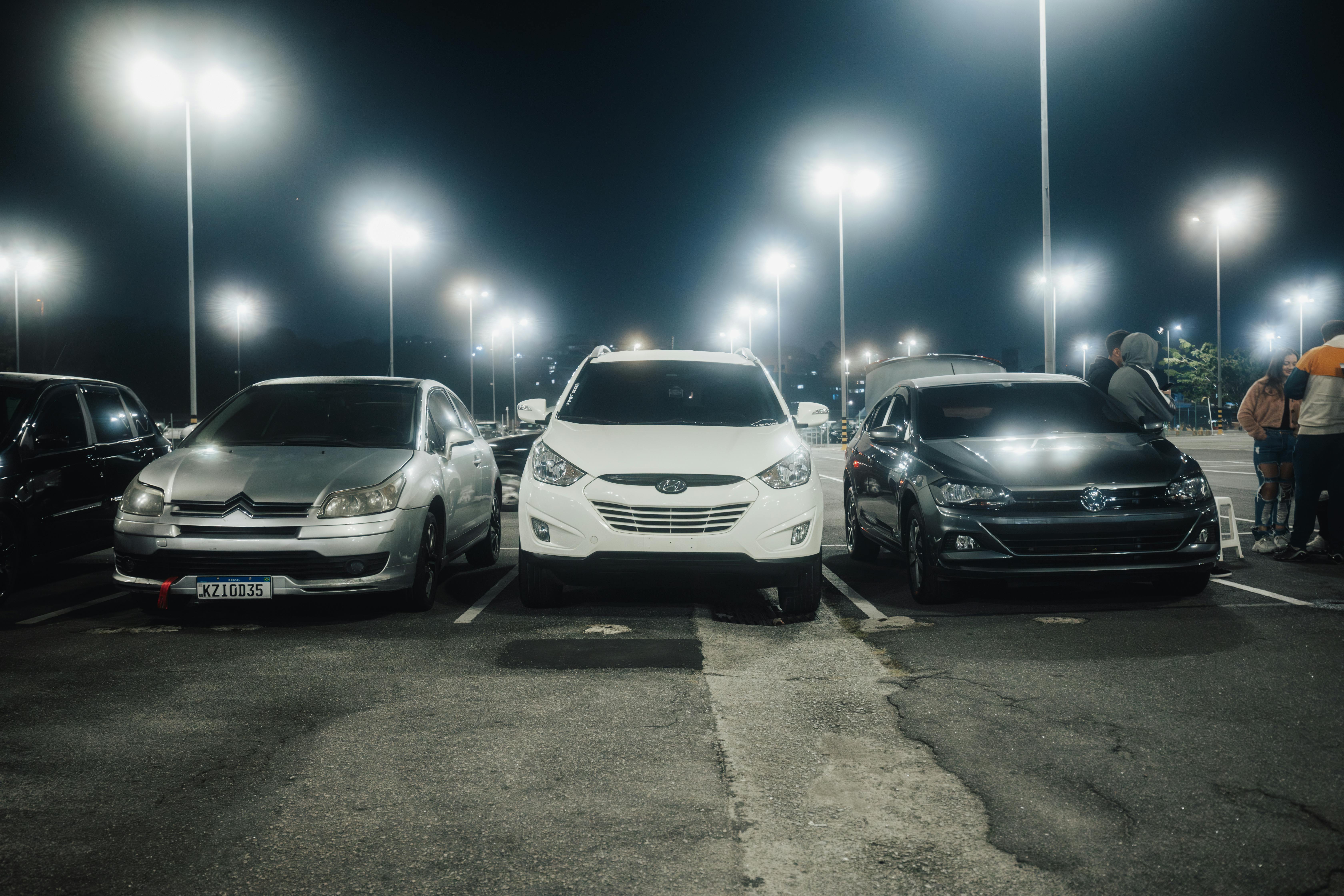
Sedans occupied the center of American showrooms for decades and now occupy a corner of them. The retreat was a series of business decisions rather than a single collapse in demand.
Margins concentrated in taller vehicles
Crossovers and trucks built on shared platforms command higher transaction prices than sedans using much of the same engineering. The additional revenue is largely profit.
With finite capital, manufacturers direct plant capacity and development budgets toward the highest-return products. Sedan programs competed for that money and lost.
The decision compounds, because a model that does not receive a full redesign becomes less competitive and then justifies the next round of underinvestment.
Crossovers offered a low-cost switch
Many crossovers ride on the same architecture as the sedans they replaced, sharing suspension design, powertrains and interiors. The change for buyers was body shape, not driving character.
That made switching easy. A buyer replacing a mid-size sedan found a crossover with familiar controls, similar fuel economy and a higher seating position at a comparable payment.
Little was given up in the trade as the buyer experienced it. Handling and efficiency differences existed but were small enough to be outweighed by packaging.
Fleet sales disguised the decline
Rental and commercial fleets bought sedans in volume long after retail interest faded. Registration totals therefore looked healthier than showroom traffic did.
Those sales carried thin margins and depressed resale values, since large numbers of similar used cars reached auction on a predictable schedule.
Weak residuals then raised lease payments for retail buyers, making the sedan look expensive against a crossover with stronger projected value.
Regulatory structure was not neutral
Fuel economy requirements in the United States have been calculated with reference to vehicle footprint, so larger vehicles face different targets than smaller ones.
That structure reduced the compliance penalty for building bigger vehicles relative to a system based purely on fleet averages. It was one input among several rather than the cause.
Light trucks have also been treated separately from passenger cars in American rules for decades, and many crossovers are classified within that category rather than as cars.
What remains is a narrower, more specialized set
Sedans that survived tend to be either affordable compacts with strong loyal demand or performance and luxury models where a low body is central to the appeal.
The broad mid-size family sedan is the segment that thinned most. Its function was absorbed almost entirely by crossovers of similar size and price.
For used buyers this created an opening. Late-model sedans are frequently cheaper than equivalent crossovers because fewer shoppers are competing for them.