
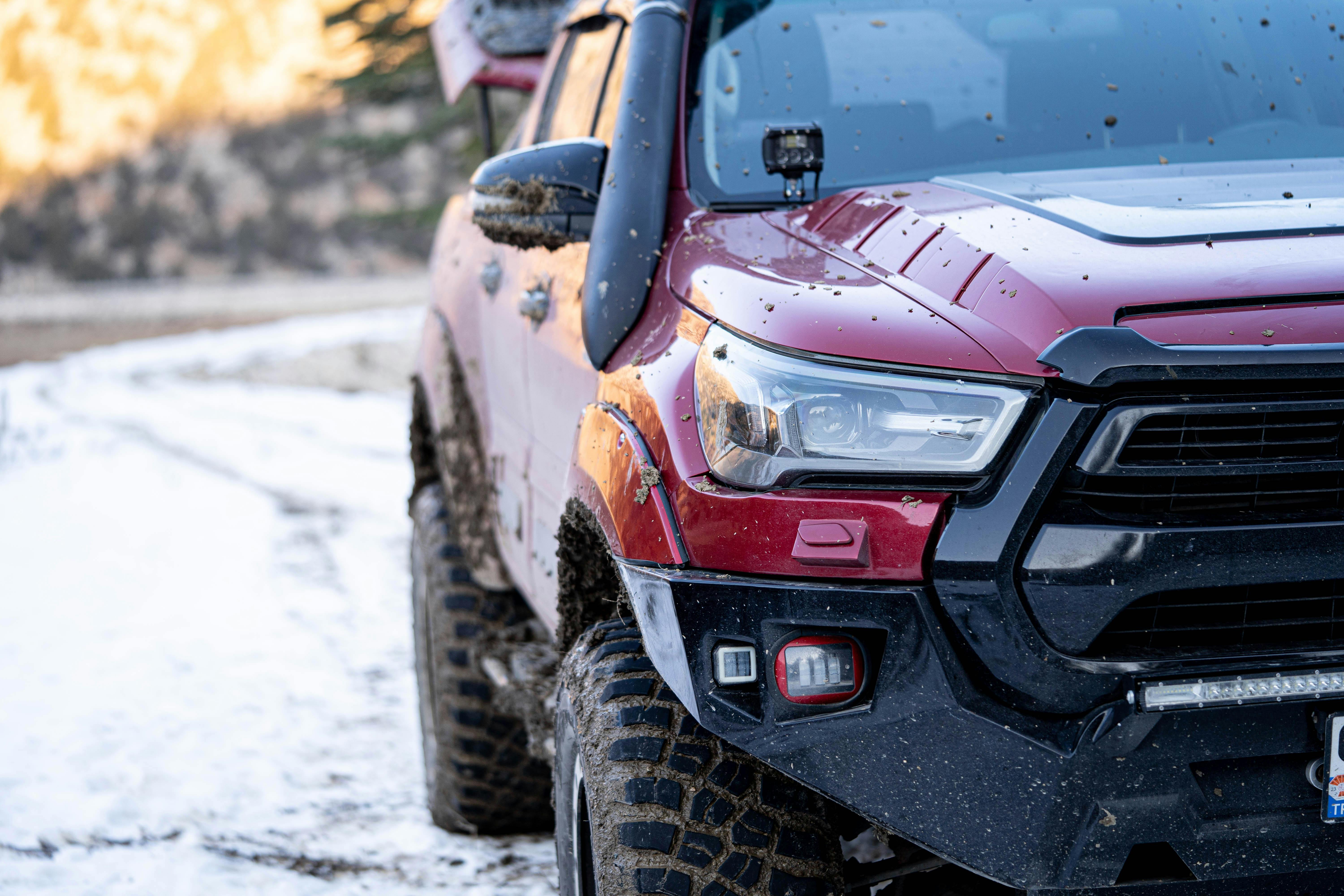
The estate car was for decades the default family vehicle in much of the world, and it has been largely displaced by tall crossovers built on the same mechanical basis. The reasons are partly about how people use cars and partly about how they are sold.
What actually changed underneath
Most crossovers share their platform, engines and much of their structure with a conventional hatchback or saloon.
What differs is ride height, body shape and seating position, with all-wheel drive frequently optional and often not fitted.
The vehicle is therefore not a different kind of machine, which is why it drives much like the car it is based on.
Why seating height mattered so much
A raised hip point means getting in and out involves less lowering and less rising, which is easier for older passengers and for anyone fitting a child seat.
The elevated driving position gives a longer view over surrounding traffic, which many drivers report as feeling safer regardless of the actual outcome.
Neither benefit requires any off-road capability, which is why the format succeeded even where the extra ability is never used.
How perceived space diverged from actual space
A tall body increases headroom and makes the cabin feel larger, while a long low estate frequently offers more usable luggage volume.
Buyers respond to the impression of space more than to a measured figure, particularly when the measurement is quoted to the roof rather than to the window line.
Load height also changed the calculation, since lifting objects into a higher boot is easier than bending to a low one even when the volume is smaller.
Why manufacturers encouraged the shift
A crossover derived from an existing platform commands a higher price than the car it is based on while costing comparatively little more to build.
The margin on that difference is substantial, and it comes from body panels and trim rather than from expensive new engineering.
Model ranges were reorganised accordingly, and estate versions were quietly dropped as their volumes fell.
What the format costs
A taller body has a larger frontal area and a higher centre of gravity, which increases drag and requires firmer suspension or active control to manage body roll.
Both raise energy consumption relative to the lower car underneath, which matters more as efficiency targets tighten.
This is why some manufacturers have begun lowering their crossovers again and smoothing their shapes, gradually converging on something that resembles a raised estate.