
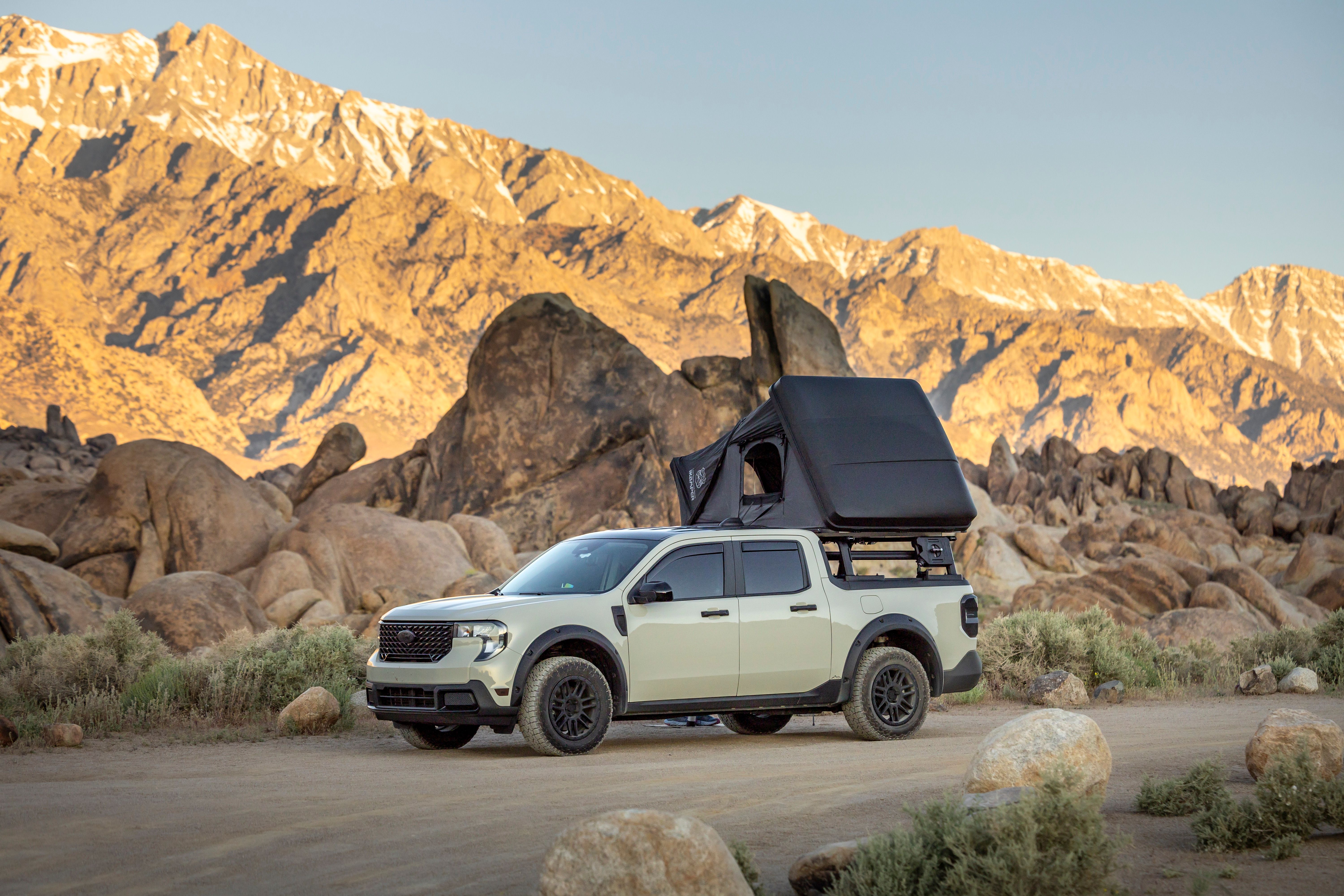
Pickup trucks have grown steadily in every dimension, yet the load bed behind the cab has generally shrunk. The trade is deliberate and follows from who actually buys these vehicles.
What the cab took from the bed
A pickup's overall length is constrained by manoeuvrability, parking and the practical limits of a driveway or a loading bay.
Within that fixed length, cab and bed compete directly. Adding a second row of seats capable of carrying adults comfortably requires space that has to come from behind.
Four-door configurations with a shorter bed have become the dominant body style, and manufacturers build them because that is what sells.
Why the buyer changed
A substantial share of pickups are now purchased as household vehicles that occasionally carry loads rather than as working tools that occasionally carry people.
For that use, rear seat space is used every day and bed length is used occasionally, so the compromise settles in favour of the cabin.
Interior specification has followed the same logic, which is why these vehicles now offer the equipment of a large saloon.
What limits the wheelbase
Lengthening the vehicle to keep both would seem obvious, but wheelbase affects turning circle, breakover angle and how the vehicle behaves on uneven ground.
A very long wheelbase also increases the loads on the frame, requiring heavier structure to maintain stiffness.
Regulatory and practical limits on overall length in many markets close the option entirely, which forces the internal trade instead.
How manufacturers compensate
Tailgate designs that open in several ways, integrated steps and extending bed dividers all try to recover usable length without changing the dimensions.
Beds have grown wider and deeper where length was lost, so volume falls by less than the shorter measurement suggests.
Storage under the bed floor and in the space ahead of the front axle on electric models adds capacity that a conventional layout never had.
What is genuinely lost
Some loads are defined by length rather than volume, and standard sheet materials and long timber are the obvious examples.
Carrying them now requires the tailgate down and the load secured overhanging, which is legal within limits but less convenient than a bed that simply fits them.
Buyers who need that capability increasingly have to choose a single-cab configuration, which is now a specialist order in a range dominated by four-door versions.