
The price of charging an electric car in public can differ several times over between one site and another. Electricity itself is a small part of that difference.
What an operator is actually paying for
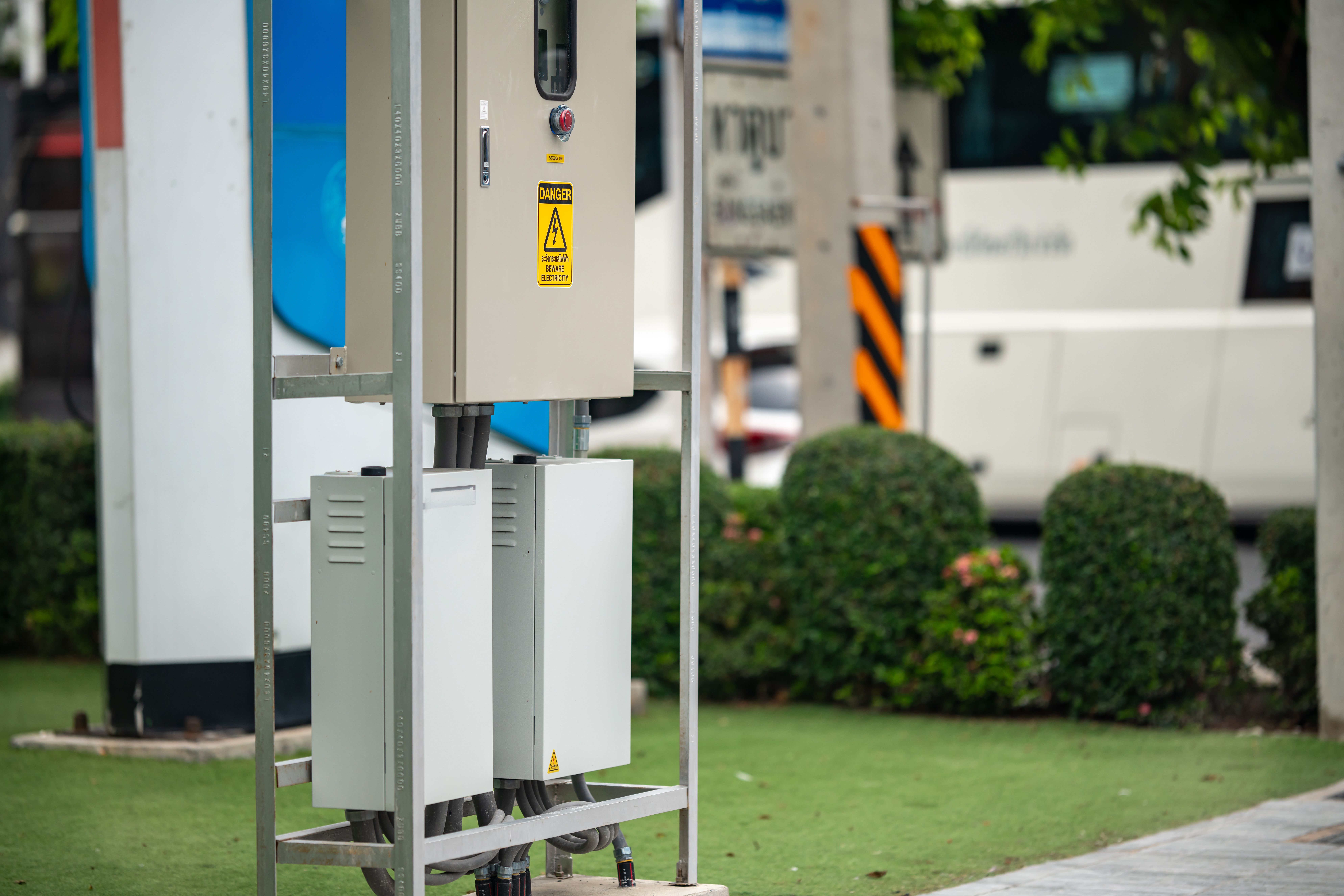
A charging site buys electricity, but it also pays for the grid connection that delivers it, and that connection is sized for the maximum power the site can draw.
Connection costs are largely fixed. A site drawing heavy power for a few minutes at a time pays for capacity it uses only intermittently.
Hardware, installation, payment systems, maintenance and the rent for the ground the chargers sit on all have to be recovered through the same charging sessions.
Why demand charges dominate rapid charging
Commercial electricity tariffs frequently include a charge based on the highest power drawn in a billing period, separate from the total energy consumed.
A single high-power session can set that peak for an entire month, so an underused rapid site carries a large fixed cost spread across very few sessions.
This is why price falls as a site becomes busier, and why quiet locations are often the most expensive per unit.
Why speed changes the price
A slower charger needs a smaller connection, cheaper hardware and less cooling, so its underlying cost per session is far lower.
High-power units require liquid-cooled cables, substantial power electronics and frequently a transformer of their own.
The premium charged for rapid charging reflects that infrastructure rather than a different quality of electricity.
How location shapes the rate
Motorway service areas command high rent and serve drivers with limited alternatives, and prices there reflect both facts.
Destination charging at a hotel, supermarket or workplace is often cheap or free because the operator is buying dwell time rather than selling energy.
The same operator can therefore run very different prices at two sites a short distance apart without any change in their own costs of supply.
Why tariff structures differ so much
Some networks charge purely per unit of energy, some add a session fee, and some bill by time connected, which produces different results depending on how fast a particular car can actually accept charge.
Subscription tariffs trade a monthly fee for a lower unit rate, which suits high-mileage drivers and penalises occasional users.
Idle fees have also become common, since a vehicle left plugged in after charging blocks an asset whose cost is driven by how often it can be used.